
Introduction to Pineapple Coconut Rice
Are you looking for a vibrant side dish that effortlessly brings a tropical twist to your dinner table? Look no further than Pineapple Coconut Rice. This delightful recipe marries the subtle sweetness of pineapple with the creamy richness of coconut milk, creating a harmonious blend that your taste buds will adore.
Why Choose Homemade Pineapple Coconut Rice?
Opting for homemade Pineapple Coconut Rice not only allows you to control the ingredients but also lets you customize the flavors according to your preferences. Unlike store-bought alternatives, you can ensure that your dish is free from artificial additives and preservatives. Plus, making it from scratch can be a fun and therapeutic cooking experience.
Imagine coming home from work, and in just a simple pot, you can create a fragrant and comforting side dish that pairs perfectly with grilled chicken or fish. It's also a fantastic option for meal prepping, as it holds up well in the fridge and can easily be reheated. For additional inspiration, check out this article on tropical ingredients to explore how these elements enhance your everyday meals.
In short, homemade Pineapple Coconut Rice isn’t just a dish—it's a delicious journey to the tropics, right in your kitchen!
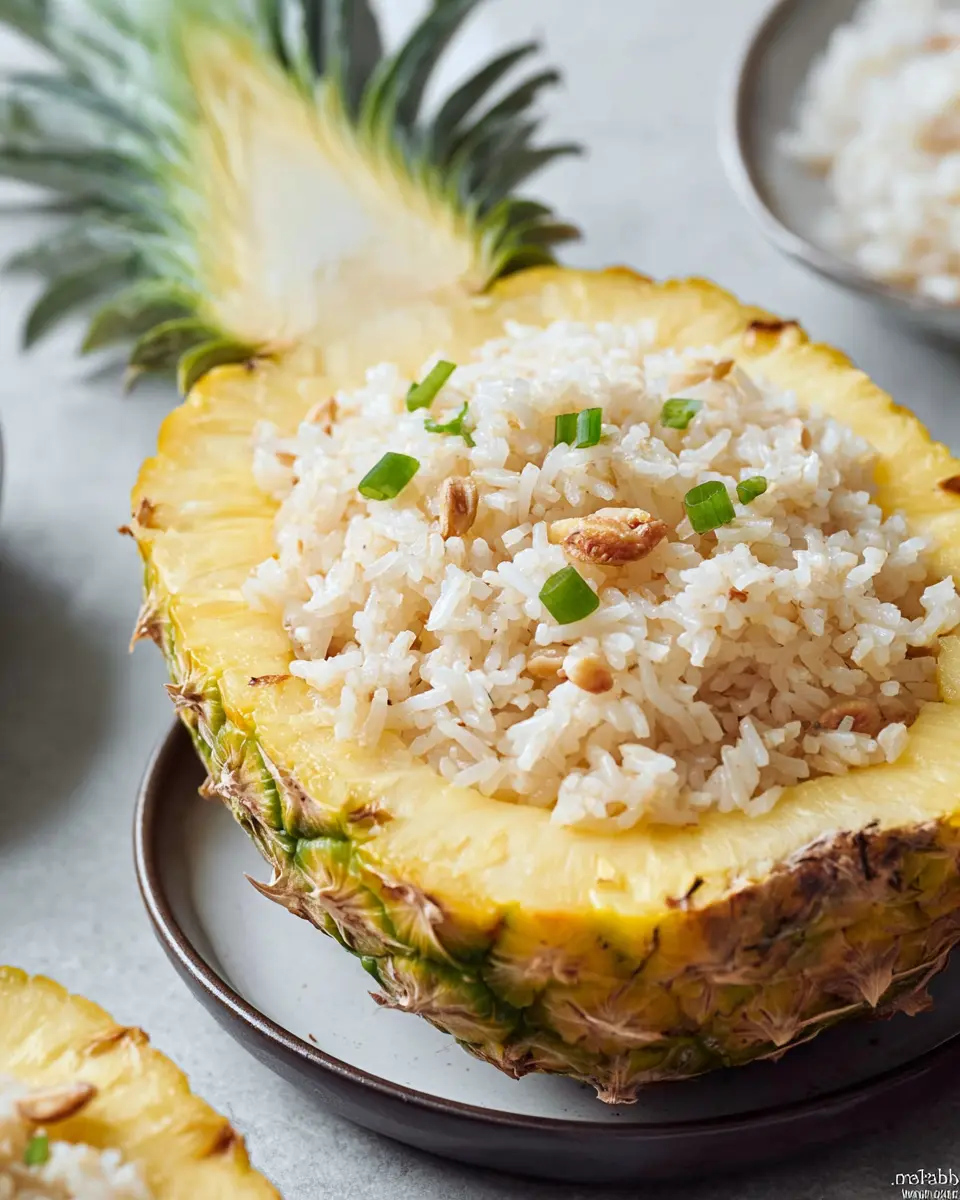
Ingredients for Pineapple Coconut Rice
When it comes to creating your Pineapple Coconut Rice, having the right ingredients is essential for achieving that perfect blend of tropical flavors. Let's break it down!
Essential Ingredients
To start, here are the must-have items for this delicious dish:
- 2 cups dry jasmine rice: This provides a fragrant base.
- 1 & ¼ cups low-sodium chicken broth: Adds flavor without overwhelming saltiness.
- 1 cup coconut milk: Creamy richness that embodies tropical goodness.
- 1 cup crushed or tiny diced pineapple, drained: Sweet and tangy, it brings life to the rice.
- 2 tablespoons low sodium soy sauce: A savory touch that enhances the dish.
- 2 teaspoons toasted sesame oil: Adds a nutty aroma and flavor.
- 1 teaspoon brown sugar: Just a pinch to balance acidity.
- ¼ cup diced scallions: Freshness and crunch packed in!
Optional Mix-ins
To elevate your Pineapple Coconut Rice, consider these optional mix-ins:
- Toasted coconut flakes
- Sliced almonds
- Chopped macadamia nuts
- Fresh chopped cilantro
Feel free to get creative! These additions can add delightful textures and flavors. For tips on incorporating different ingredients, check out this guide on rice dishes. Have fun experimenting, and enjoy every bite!
Preparing Pineapple Coconut Rice
Creating a delightful dish like Pineapple Coconut Rice is not just about following a recipe; it's about enjoying the process and the aromatic journey of cooking. Here’s how to prepare this tropical-inspired side dish that will elevate any meal.
Rinse and prepare the rice
Start by rinsing the jasmine rice under cold running water. This step is crucial as it removes excess starch, preventing your rice from becoming gummy. Aim to rinse until the water runs clear. Drain the rice thoroughly in a fine mesh sieve and let it sit for a minute or two. This simple step ensures that your rice will be fluffy and perfectly cooked!
Combine ingredients and cook
In a medium pot, combine the rinsed rice, low-sodium chicken broth, and coconut milk. The mix of chicken broth and coconut milk brings that rich, creamy texture and flavor that makes this dish stand out. Bring the mixture to a boil over high heat, then reduce to low, cover with a tight-fitting lid, and simmer for about 20 minutes. Make sure not to lift the lid during cooking; that steam is your secret to perfectly cooked rice.
For more cooking tips, you can check Serious Eats to deepen your culinary knowledge.
Allow the rice to steam
Once the timer goes off, turn off the heat but resist the temptation to peek inside right away. Allow the rice to steam in its own heat for an additional 10 minutes. This will make the grains tender and allow them to absorb any remaining moisture, which is the key to that fluffy texture you’re aiming for in your Pineapple Coconut Rice.
Fluff and mix in the flavors
After the resting period, kindly grab a fork and fluff the rice gently. This is the moment to stir in the drained pineapple, soy sauce, toasted sesame oil, brown sugar, and diced scallions. The pineapple adds a sweetness that complements the coconut beautifully, making each bite a tropical delight.
Add optional toppings
Elevate your Pineapple Coconut Rice even further by considering some optional toppings! Toasted coconut flakes, sliced almonds, or chopped macadamia nuts add a delightful crunch. Fresh chopped cilantro also brings a refreshing herbal note that balances the sweetness of the coconut and pineapple.
With these steps, you’ll have a vibrant side dish ready to impress at your next dinner gathering. Those who enjoy exploring different flavor profiles will find this dish to be a rewarding experience. Don’t forget to share your creations or any twist you add! Making Pineapple Coconut Rice is not just about the meal; it’s about sharing good memories and delicious flavors with friends and family.
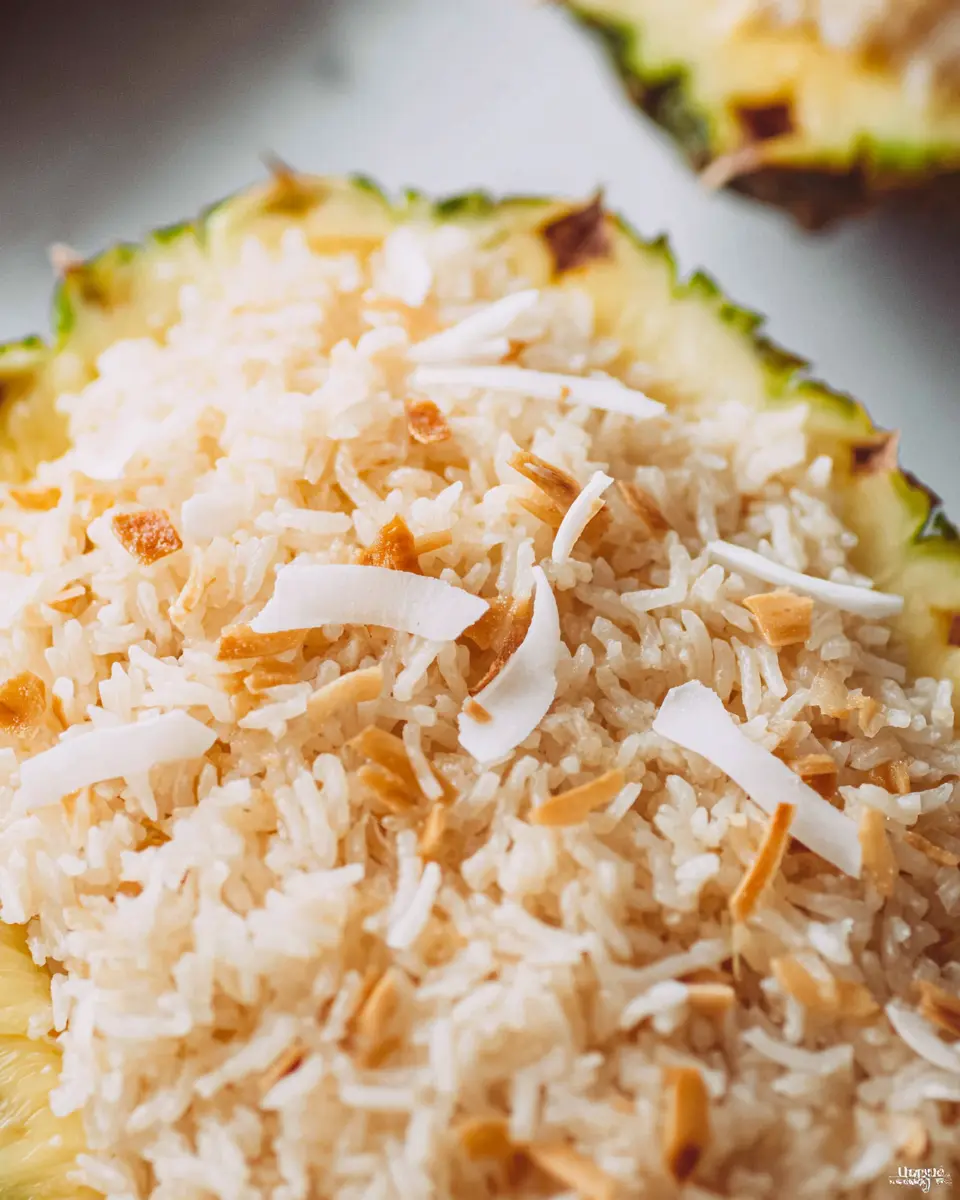
Variations on Pineapple Coconut Rice
Tropical Variations
While Pineapple Coconut Rice is delightful on its own, consider adding fresh tropical fruits like mango or papaya for a vibrant twist. A drizzle of lime juice can elevate the flavors even further. Don't hesitate to experiment with a mix of dried fruits, too; they can add an unexpected depth of sweetness.
Savory Twists
If you crave a heartier dish, try incorporating protein such as shredded turkey bacon or chicken ham. Adding chopped veggies like bell peppers or snap peas can boost nutrition and color, making a well-rounded meal.
For extra flavor, sprinkle in some smoked paprika or cayenne pepper, giving your Pineapple Coconut Rice a savory kick! Always remember, the beauty of this dish is its adaptability—so feel free to get creative!
Cooking tips and notes for Pineapple Coconut Rice
Tips for Perfect Rice
To achieve the fluffiest Pineapple Coconut Rice, rinsing the rice is crucial. This removes excess starch and prevents clumping. Use a medium pot to allow for even heat distribution, and remember, a tight-fitting lid is essential for the steaming process. After cooking, resist the urge to lift the lid for those 10 extra minutes; this allows the rice to set perfectly.
Storage Suggestions
Leftover Pineapple Coconut Rice can be stored in an airtight container in the fridge for up to 4 days. For long-term storage, consider freezing portions in zip-top bags. This way, you can simply reheat it in the microwave or on the stovetop, adding a splash of coconut milk for a refreshing texture. Enjoy!
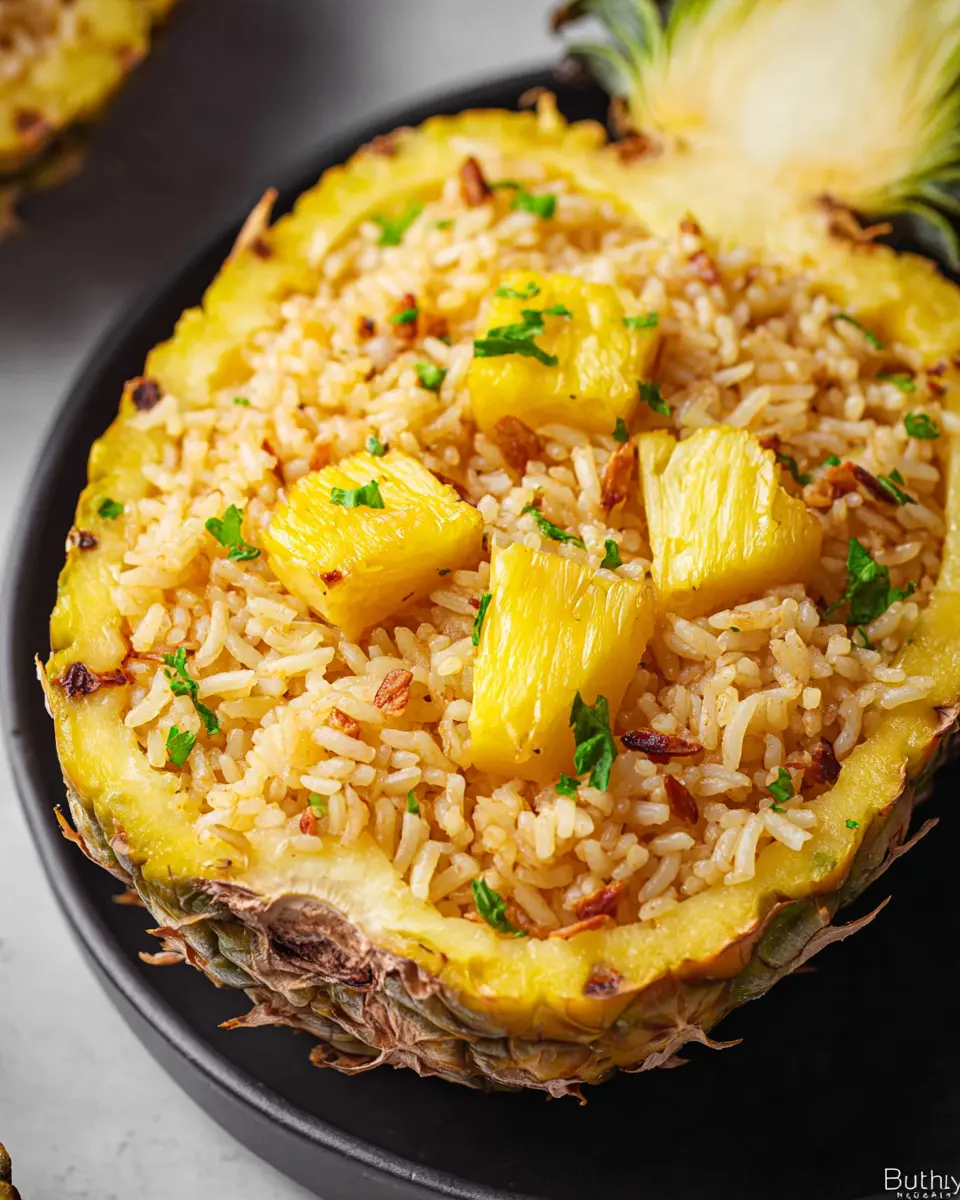
Serving Suggestions for Pineapple Coconut Rice
Complementary Dishes
Pair your Pineapple Coconut Rice with a variety of delicious options to create a well-rounded meal. Consider serving it alongside:
- Grilled chicken or shrimp for a protein boost.
- Stir-fried vegetables to add color and crunch.
- Lightly seasoned tofu for a plant-based option.
These dishes not only enhance the flavors of the rice but also create a vibrant and balanced plate.
Creative Serving Ideas
Take your Pineapple Coconut Rice to the next level with these fun serving ideas:
- Tropical Buddha Bowl: Layer the rice with your favorite greens, avocado, and sesame seeds for a hearty meal.
- Rice Lettuce Wraps: Use butter lettuce leaves to create fresh wraps filled with the rice and your choice of protein and veggies.
- Coconut Curry: Serve the rice as a side to a fragrant coconut curry for a taste that transports you to a tropical paradise.
By using Pineapple Coconut Rice as a base, you can get creative and impress your friends with your culinary flair! Don’t forget to check out this nutritional guide for more ideas on creating healthy meals.
Time Details for Pineapple Coconut Rice
Preparation Time
Getting everything ready for your Pineapple Coconut Rice takes about 10 minutes. This includes rinsing the rice, measuring out your ingredients, and having your pot and utensils ready to go.
Cooking Time
Once you’re set, cooking the rice takes around 30 minutes. This covers the initial boiling and the final steaming time to achieve that perfect fluffy consistency.
Total Time
In total, you're looking at approximately 40 minutes from start to finish. So, whether you're prepping for a weeknight dinner or a weekend gathering, you can have this delightful dish on the table in no time!
Nutritional information for Pineapple Coconut Rice
Calories per serving
Each serving of Pineapple Coconut Rice has approximately 293 calories, making it a satisfying yet light addition to your meals.
Nutritional breakdown
This delightful dish packs a good balance of nutrients, perfect for young professionals seeking flavor without sacrificing health:
- Carbohydrates: 50g
- Protein: 5g
- Fat: 8g (Saturated Fat: 5g)
- Sodium: 269mg
- Potassium: 252mg
- Fiber: 1g
- Sugar: 10g
It’s also a source of vitamins, providing Vitamin A (65 IU) and Vitamin C (7.5 mg). If you want to enhance your meal further, consider adding fresh veggies or herbs for extra nutrients and variety!
For more tips on making healthy meal choices, check out this resource from Healthline. Remember, enjoying dishes like Pineapple Coconut Rice can help you maintain a balanced diet while allowing your taste buds to explore new flavors.
FAQs about Pineapple Coconut Rice
Can I use different types of rice?
Absolutely! While jasmine rice works beautifully for Pineapple Coconut Rice, you can experiment with other varieties like basmati or brown rice. Keep in mind that cooking times and liquid ratios may differ, so adjust accordingly. If you opt for brown rice, it may take longer to cook and require more liquid, giving you a heartier dish that adds extra fiber to your meal.
How do I store leftovers?
Storing leftover Pineapple Coconut Rice is simple! Allow the rice to cool before transferring it to an airtight container. It can be kept in the fridge for up to 4 days. You can also freeze it for longer storage—just ensure it's in a freezer-safe container and consume it within three months. To reheat, add a splash of water to prevent it from drying out.
What can I pair with Pineapple Coconut Rice?
This tropical rice pairs wonderfully with grilled proteins like chicken, seafood, or turkey bacon. You can also serve it alongside a fresh salad or roasted vegetables for a delightful meal that feels both comforting and vibrant. Experiment with different combinations and discover what suits your taste best! For some inspiration, check out this guide on pairing rice dishes.
Conclusion on Pineapple Coconut Rice
In summary, Pineapple Coconut Rice is an easy, flavorful dish that elevates any meal. Its unique blend of sweetness from the pineapple and creaminess from the coconut milk offers a tropical twist that’s hard to resist. Perfect as a side or a light main dish, it's sure to impress.
For more vibrant side dishes, consider checking out these delicious recipes that complement the tropical vibes of Pineapple Coconut Rice. Whether you serve it with grilled chicken or a zesty salad, this recipe is versatile enough for any occasion. Enjoy your culinary adventure!
Pineapple Coconut Rice
Equipment
- Medium Pot
Ingredients
- 2 cups dry jasmine rice
- 1.25 cups low-sodium chicken broth
- 1 cup coconut milk (from a can of coconut milk)
- 1 cup crushed or tiny diced pineapple , drained
- 2 tablespoons low sodium soy sauce
- 2 teaspoons toasted sesame oil
- 1 teaspoon brown sugar
- 0.25 cup diced scallions
Optional Mix-ins
- toasted coconut flakes
- sliced almonds
- chopped macadamia nuts
- fresh chopped cilantro
Instructions
- Rinse the rice several times until the water runs clear. Drain the rice.
- In a medium pot, over high heat, add the rice, broth, and coconut milk and bring to a boil. Once boiling, turn the heat to low and cover with tight fitting lid; let cook for 20 minutes.
- Turn off heat, and without opening the lid, let it sit for another 10 minutes to finish steaming.
- Fluff the rice with a fork and mix in the pineapple, soy sauce, sesame oil, brown sugar, and scallions.
- Top with any of the other recommended mix-ins and drizzle a touch more soy sauce, if desired.



Leave a Reply