
Introduction to Japanese Cheesecake
Why Japanese Cheesecake is a Game-Changer for Homemade Desserts
If you’re looking to elevate your dessert game, Japanese Cheesecake, often referred to as Cotton Cheesecake, is a delightful twist on the classic. Its ultra-light, airy texture and less sweet flavor profile make it a favorite among dessert enthusiasts, especially for those who find traditional cheesecakes a bit too dense or sugary. This ethereal dessert combines the rich creaminess of cheesecake with the fluffiness of a soufflé, creating a delightful experience with every bite.
One of the best things about Japanese Cheesecake is how surprisingly easy it is to make at home. With just a few ingredients and a little patience, you can whip up this culinary masterpiece. The gentle folding of meringue into the batter is a crucial step that may sound technical, but it really just takes a bit of practice — and once you nail it, you’ll be ready to impress friends and family at your next gathering!
If you’re eager to give this delectable dessert a try, check out the comprehensive recipe below that breaks down each step, ensuring a smooth baking experience. Who knows? You might just find a new favorite to add to your dessert repertoire!
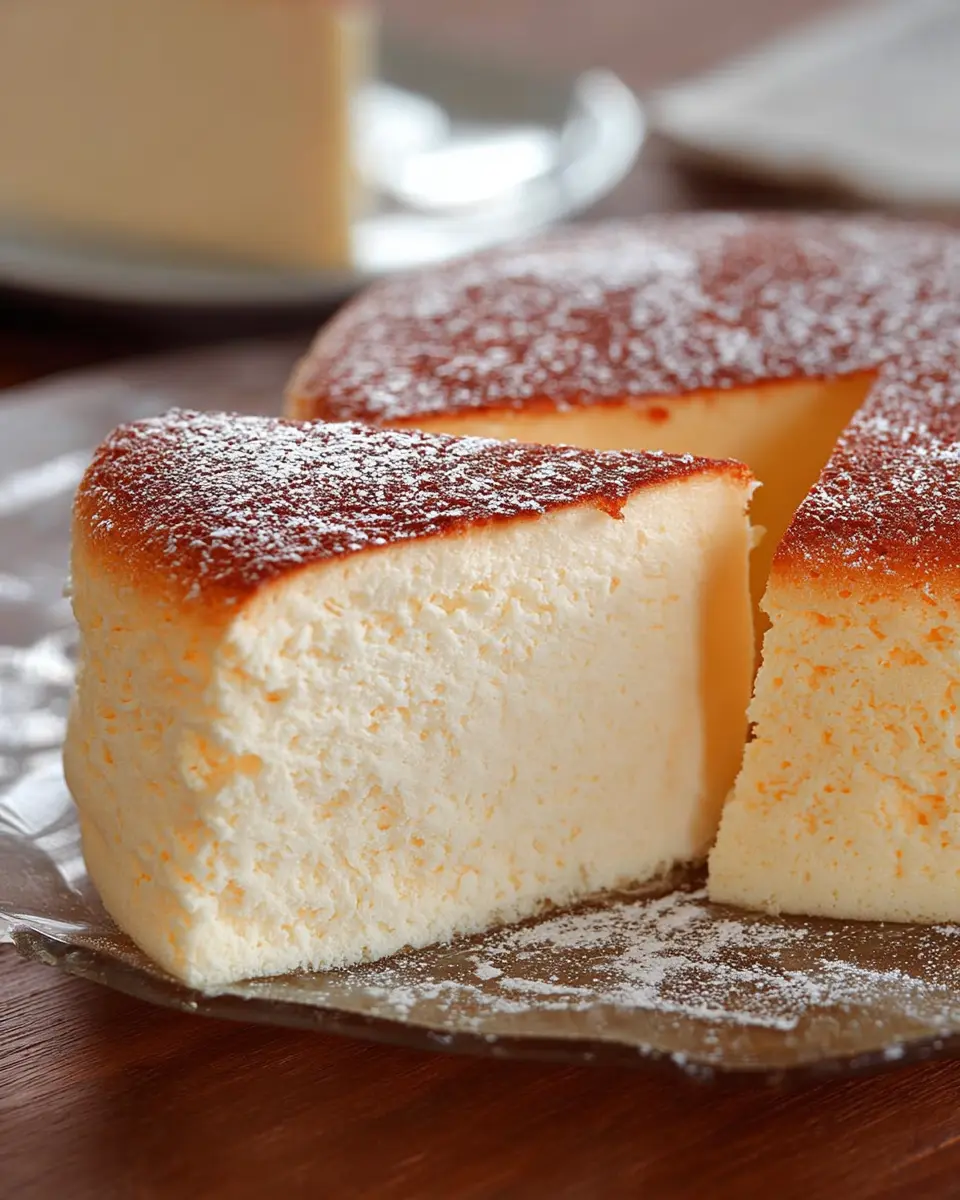
Ingredients for Fluffy Japanese Cheesecake
Essential ingredients for a perfect texture
To create that signature fluffy and airy texture of Japanese Cheesecake, you need some essential ingredients. Start with:
- Cream cheese: 250g of softened cream cheese forms the creamy base. Choose a good quality cream cheese for optimal flavor and texture.
- Butter: 60g, also softened, adds richness and moisture.
- Egg yolks and whites: Using 3 egg yolks in the batter contributes to the cheesecake's creaminess, while 3 egg whites, whipped into a meringue, provide that heavenly lift.
- Flour and cornflour: A delicate mix of 20g all-purpose flour and 10g cornflour helps maintain the light structure.
These ingredients work harmoniously to yield a moist, fluffy cake that will impress anyone who tries it.
Optional add-ins to customize your cheesecake
While the classic Japanese Cheesecake is beloved for its simplicity, you can easily tailor it to suit your taste!
Consider adding:
- Vanilla extract: A splash can enhance the flavor profile.
- Chocolate: Melted chocolate swirled into the batter can create a decadent twist.
- Fruits: Incorporate pureed strawberries or matcha powder for a unique flavor and color.
Feel free to experiment and make it your own! The beauty of this recipe is in its versatility, so have fun with it!
For more tips on exploring unique flavor profiles, check out resources on dessert customization here.
Step-by-step Preparation of Japanese Cheesecake
Making a light and fluffy Japanese Cheesecake, often referred to as Cotton Cheesecake, might seem daunting, but with a bit of patience and the right techniques, you’ll be rewarded with a delectable dessert. Let’s dive into the preparation process, step by step, to ensure your cheesecake turns out perfectly every time!
Gather and prepare your ingredients
Before you begin, it’s crucial to collect all your ingredients and equipment to streamline the process. You’ll need:
-
Batter Ingredients:
-
250g cream cheese (softened)
-
60g butter (softened)
-
35g sugar
-
3 egg yolks
-
2 tablespoon milk
-
1 tablespoon lemon juice
-
Zest from half a lemon
-
20g flour (sifted)
-
10g cornflour (sifted)
-
Meringue Ingredients:
-
3 egg whites
-
35g sugar
Also, gather the right baking equipment—a round cake pan, a baking tray for the water bath, and boiling water to prepare for baking. Having everything ready makes the process so much smoother!
Create the cheesecake batter
Begin by preheating your oven to 160°C (320°F). Grease your cake pan and line the bottom with baking paper. This easy step helps prevent sticking later.
In a mixing bowl, place the cream cheese and whisk it in a water bath until softened. This gentle heating helps achieve that smooth texture. Next, mix in the butter until fully incorporated. Gradually add the remaining batter ingredients—starting with the sugar, then the egg yolks, milk, lemon juice, and zest. Sift in the flour and cornflour, and mix until you achieve a uniform batter without any lumps. Trust me; this base is essential for that luxurious finish!
Whip the meringue to soft peaks
In a separate bowl, whip the egg whites until they become foamy. Gradually add sugar, continuing to whisk at a moderate speed. The goal here is to achieve soft peaks, where the meringue holds its shape but the peak gently folds over. This is crucial for giving your cheesecake that airy structure!
Combine the batter and meringue
Now, it’s time to bring those two mixtures together. First, fold a third of the meringue into the cheesecake batter. Use a spatula for a gentle touch to avoid knocking out the air you've just created. Once combined, pour the batter into the remaining meringue and fold until the mixture is homogenous. This step is vital for maintaining that light-as-air quality.
Bake your cheesecake using a water bath
For the baking, place your cake pan in a larger baking tray and fill it with hot water to about 1.5 cm high. This water bath technique helps regulate temperature and prevents the cheesecake from cracking. Bake for 20 minutes at 160°C, then reduce the temperature to 140°C (284°F) for an additional 40 minutes. Turn off the oven and leave the cheesecake inside for another 30 minutes—this gradual cooling process helps maintain its delicate texture and prevents it from collapsing.
Once you’ve baked it to perfection, cool it on a rack and refrigerate. Serve after a solid chill for the best experience!
Crafting your Japanese Cheesecake may take some time, but the results are absolutely worth it. Pair it with some fresh fruit or enjoy it plain for an elegant treat. Happy baking!
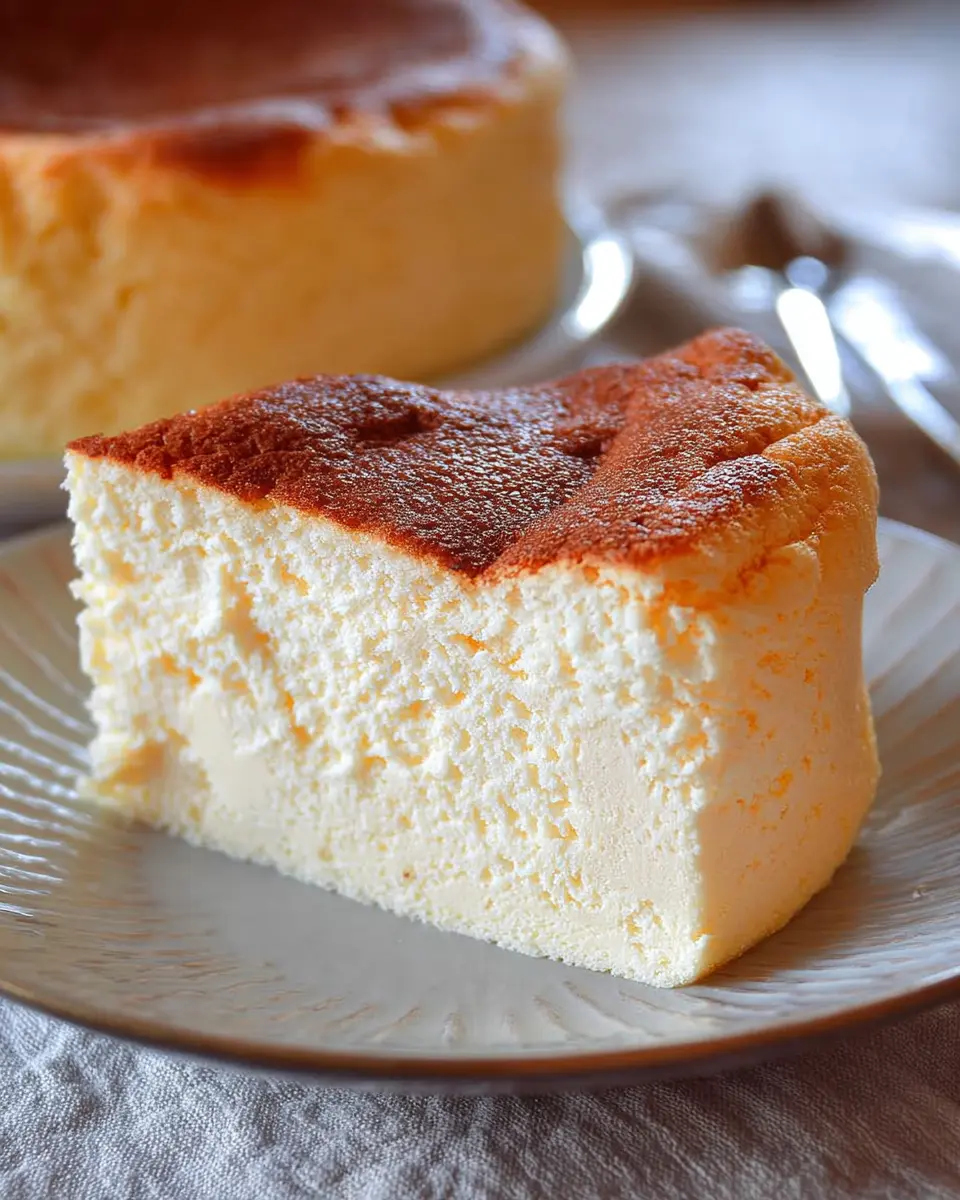
Variations on Japanese Cheesecake
Matcha-flavored Japanese Cheesecake
If you're a fan of matcha, incorporating it into your Japanese Cheesecake can elevate the flavor profile beautifully. Simply add 2-3 tablespoons of high-quality matcha powder to your batter. Not only will this provide a lovely green hue, but it also infuses a subtle earthy taste that pairs excellently with the creamy texture of the cheesecake. The natural bitterness of matcha complements the sweetness, creating a well-balanced dessert that’s a feast for the eyes and the palate.
Fruit-infused Japanese Cheesecake options
Enhancing your Japanese Cheesecake with seasonal fruits is another delightful twist! Consider adding pureed fruits like strawberries, mangoes, or even blueberries to the batter. You can also incorporate candied citrus zest for a fresh, zesty surprise in every bite. For an even more vibrant touch, top your cheesecake with a bright fruit compote just before serving. This way, you not only add flavor but also a burst of color!
For more delicious variations, check out these Japanese Cheesecake recipes from Serious Eats and Just One Cookbook.
Cooking Tips and Notes for Japanese Cheesecake
Key Temperature Tips for Perfect Results
Temperature plays a crucial role when making Japanese Cheesecake. Always preheat your oven to the specified temperature, as even a slight deviation can affect the cake's texture. Using a fan forced oven can give you better results, but remember that standard ovens may require slight adjustments. For the water bath, ensure the hot water is around 80°C (176°F) – this prevents the cheesecake from cracking and helps maintain its fluffy texture.
Avoiding Common Pitfalls When Baking
To achieve that light, soufflé-like texture, avoid overmixing the meringue—soft peaks are your goal, not stiff ones. Once you've combined the meringue with the batter, mix gently; this helps incorporate air without deflating the mixture. Be cautious while checking for doneness; a bamboo stick should come out clean but not overcooked. Each oven is unique, so adjustments may be necessary. Don't worry if it doesn't look perfect; practice makes perfect!
For more baking tips, consider checking out resources from Serious Eats or BBC Good Food.
Serving Suggestions for Japanese Cheesecake
Presentation Ideas for a Delightful Dessert Table
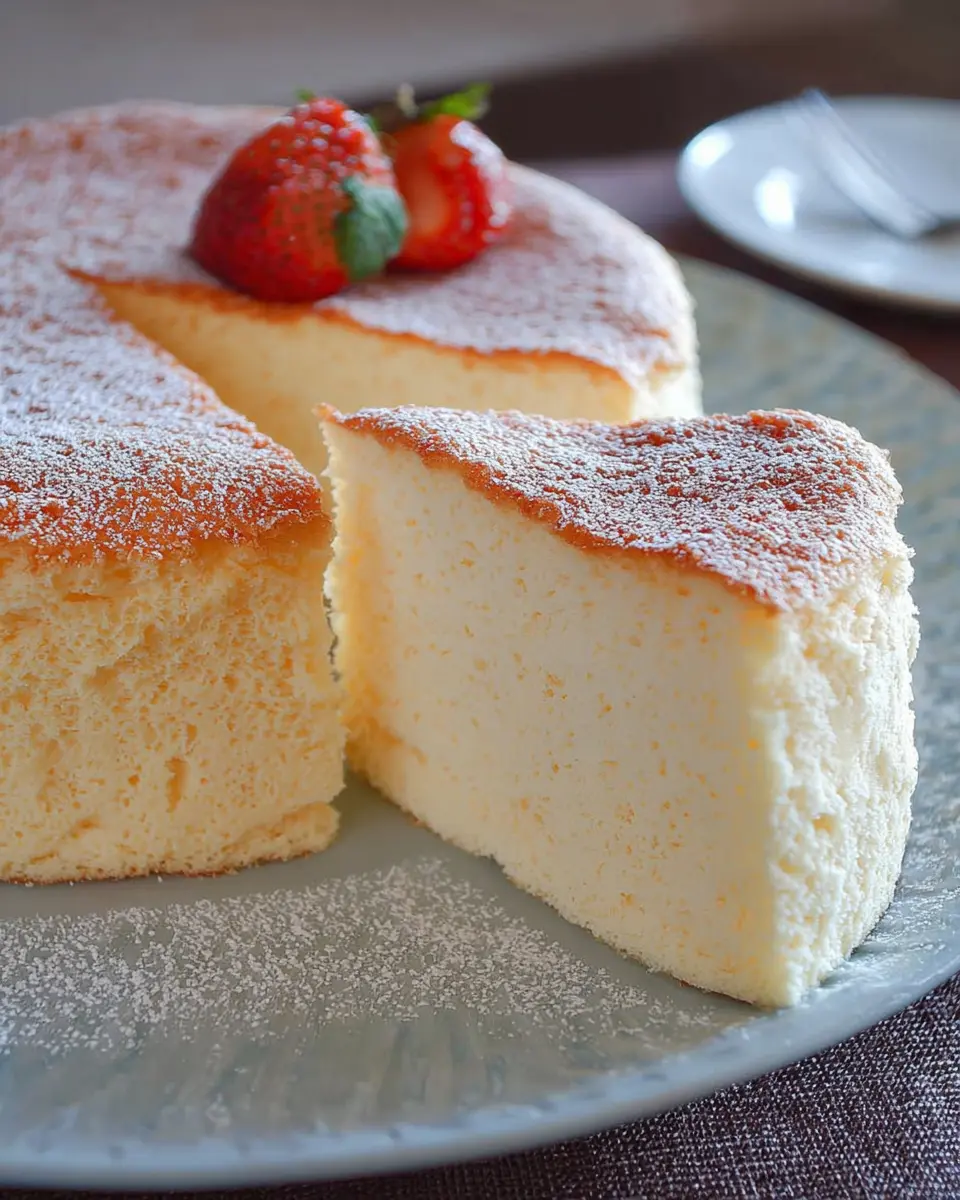
When showcasing your Japanese Cheesecake, consider serving it on a simple white cake stand to highlight its beautiful, smooth surface. Add fresh strawberries or a cluster of seasonal berries around the base for a pop of color. A light dusting of powdered sugar just before serving can offer a touch of whimsy, adding elegance without overpowering its airy sweetness. Parchment paper or decorative doilies under the cake can also enhance visual appeal, making it irresistible on your dessert table.
Pairing Suggestions for an Elevated Experience
To elevate your Japanese Cheesecake experience, serve it alongside a dollop of lightly whipped cream and fresh fruit. For a comforting touch, opt for a side of green tea or a refreshing hibiscus tea, which wonderfully complements the cheesecake's fluffiness. If you're hosting, consider offering a selection of fresh fruits—think juicy lychee, tangy kiwi, or creamy mango slices—to bring out the cheesecake’s delicate flavors.
Exploring these serving suggestions will undoubtedly impress your guests and create a delightful experience!
Time Breakdown for Japanese Cheesecake
Preparation Time
The joy of making Japanese Cheesecake begins with preparation, which will take about 25 minutes. You’ll gather ingredients, prepare your baking pans, and mix your batter. It’s a simple yet rewarding start that sets the stage for your fluffy creation.
Baking Time
Next up is the baking phase, which takes approximately 1 hour and 50 minutes. This includes both the initial baking time and the important post-bake resting time in the oven. Make sure to keep an eye on the internal temperature for that perfect puffiness.
Cooling Time
Patience is a virtue when it comes to cooling your Japanese Cheesecake. Allow 20 minutes in the oven post-bake before transferring it to a rack. For best results, chilling in the fridge is recommended, enhancing the flavor and texture even more.
For a more detailed guide, check out this article on Japanese desserts for tips and tricks to perfect your cheesecake!
Nutritional Facts for Japanese Cheesecake
Calories per slice
A slice of Japanese Cheesecake typically contains around 200 calories, making it a lighter dessert option compared to traditional cheesecakes. Its airy texture and chemistry of ingredients contribute to a satisfying indulgence without excessive calories.
Macros overview
In terms of macronutrients, each slice has approximately:
- Carbohydrates: 20g
- Protein: 6g
- Fat: 12g
This composition makes it a sumptuous treat that balances enjoyment with mindful eating, perfect for those looking to satisfy their cravings.
Dietary considerations
For those with dietary restrictions, Japanese Cheesecake can be adjusted. You can opt for gluten-free flour alternatives if necessary and adjust the sweetness using sugar substitutes. It's essential to keep in mind the ingredients for optimal results while ensuring everyone can enjoy a slice!
For more detailed nutritional insights, check reputable sources like Healthline or MyFitnessPal to explore how desserts can fit into a balanced diet.
FAQs about Japanese Cheesecake
Can I use low-fat cream cheese?
While you can use low-fat cream cheese in your Japanese Cheesecake, keep in mind that it may affect the final texture and flavor. Full-fat cream cheese yields the fluffiest and creamiest results, which are essential for that signature light texture. If you're seeking a lighter option, consider blending low-fat cream cheese with a bit of heavy cream to mimic thickness.
How long can I store Japanese Cheesecake?
Japanese Cheesecake can be stored in the refrigerator for up to 3-4 days. Be sure to cover it tightly to prevent it from absorbing odors. If you want to extend its life, you can freeze it for about a month—just ensure it’s wrapped well to avoid freezer burn. For tips on refreshing, check out this article on preserving cheesecakes.
Is it possible to make a mini version?
Absolutely! You can make delightful mini Japanese Cheesecakes by using muffin tins or smaller cake pans. Simply adjust the baking time—keep an eye on them, as they will cook faster than the full-size version. These make perfect individual servings for parties or casual get-togethers! Check out this guide on mini desserts for more inspiration.
Conclusion on Japanese Cheesecake
Creating a Japanese Cheesecake at home is a delightful journey, embracing the joy of homemade desserts. The wonderful blend of lightness and subtle sweetness makes every bite a treat worth savoring. So, roll up your sleeves and relish in the process; your taste buds will thank you!
Japanese Cheesecake (Cotton Cheesecake)
Equipment
- Cake pan (18cm / 7 inches)
- Baking tray
- Oven tray
- whisk
- mixing bowls
Ingredients
Batter
- 250 g cream cheese softened in room temperature
- 60 g butter softened in room temperature
- 35 g sugar
- 3 large egg yolks
- 2 tablespoon milk
- 1 tablespoon lemon juice
- ½ lemon lemon zest zest of a half lemon
- 20 g flour all-purpose, sifted
- 10 g cornflour cornstarch, sifted
Meringue
- 3 large egg whites
- 35 g sugar
To bake
- 1 each cake pan 18cm (7 inches)
- 1 each baking tray to fit in the cake pan for water bath
- 1 each oven tray to place a water bath tray on
- 1 litre hot water about 80C (176F)
Instructions
Preparation
- Pre-heat the oven to 160C (320F).
- Grease the bottom and the side of the cake pan with butter and line the bottom with baking paper.
- If the cake pan has a loose bottom, cover it with large aluminium foil.
- Whisk cream cheese over a water bath to soften, then add butter and whisk until creamy.
- Remove from water bath and mix remaining Batter ingredients one by one.
- In a new bowl, beat egg whites until foamy.
- Add sugar in batches while beating until soft peaks form.
- Fold a third of the meringue into the batter gently.
- Transfer the batter to the meringue bowl and fold gently until mixed.
- Pour the batter into the cake pan and drop from 10cm high to remove air bubbles.
Baking
- Place the cake pan in a baking tray, fill with hot water.
- Bake for 20 minutes at 160C (320F).
- Reduce heat to 140C (284F) and bake for 40 minutes.
- Turn off oven and leave cake for 30 minutes.
- Check if cake is cooked using a thin bamboo stick.
- Remove from water bath and cool for 20 minutes in the oven.
- Remove from cake tin and cool on a rack.
- Chill in the fridge before serving.
Leave a Reply