
Introduction to Focaccia Bread
Why Focaccia Bread is the Perfect Homemade Project
Focaccia bread is not just a delicious Italian staple; it's an inviting, hands-on cooking project that’s perfect for both beginners and seasoned bakers alike. With its golden, crispy edges and a soft, airy interior, focaccia is a fantastic way to dabble in bread-making without the complexity of sourdough or baguettes. Plus, you can tailor it to your taste, making the experience even more enjoyable.
What's great about focaccia bread is that it requires minimal ingredients and equipment, making it accessible for anyone. A simple KitchenAid mixer and a baking dish are all you need, allowing you to focus more on fun flavors than on complicated techniques.
Just imagine the aroma filling your kitchen as it bakes—it's bound to impress anyone who walks through your door! Whether topped with rosemary, flaky sea salt, or even sundried tomatoes, the possibilities are endless. For a deeper dive into the art of bread-making, check out this insightful guide, and get inspired to create your perfect loaf!
Why not give focaccia bread a try? It's an experience that’s as rewarding as it is tasty.
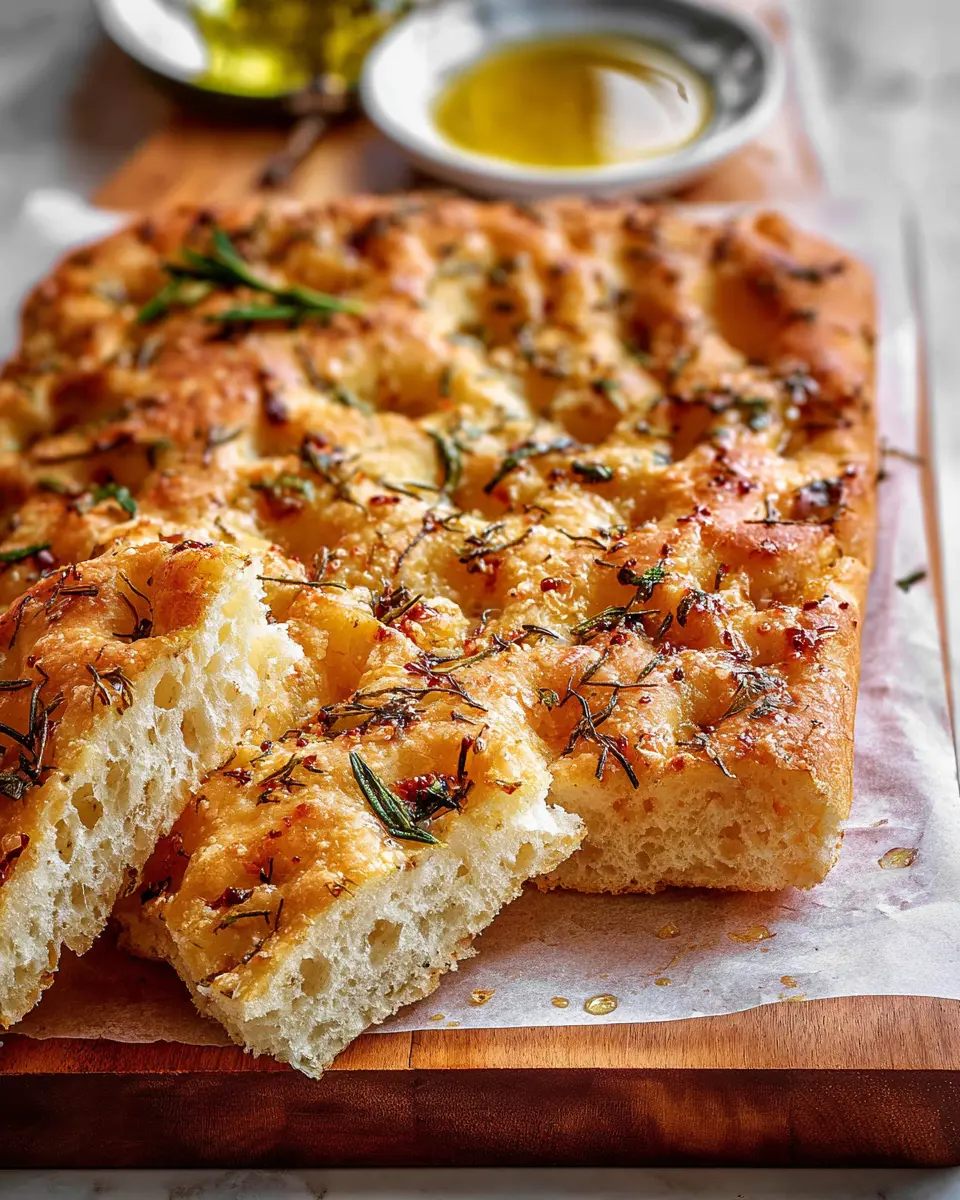
Ingredients for Focaccia Bread
Essential ingredients for a delicious focaccia
To whip up your own focaccia bread, you'll need some fundamental ingredients that are both simple and accessible:
- Warm water (1¾ cups): This activates the yeast, helping your dough rise beautifully.
- Cane sugar (2 teaspoons): A little sweetness is crucial for yeast activation.
- Active dry yeast (1 package or 2¼ teaspoons): The magic ingredient that gives your bread its airy texture.
- All-purpose flour (500 grams or about 4 cups): This forms the backbone of the dough.
- Sea salt (2 teaspoons): Essential for flavor, enhancing every bite.
- Extra-virgin olive oil (6 tablespoons): Adds richness and contributes to that irresistibly crispy crust.
Optional toppings for extra flavor
While the basic focaccia is delightful on its own, feel free to experiment with toppings to elevate your bread even further! Some popular options include:
- Flaky sea salt: A sprinkle on top adds a delightful crunch.
- Chopped fresh rosemary: This classic herb brings a fragrant, earthy note.
- Sliced olives, sun-dried tomatoes, or roasted garlic: These can infuse your focaccia with vibrant flavor.
Remember, the beauty of cooking is in the experimentation! Want to learn more about different focaccia variations? Check out this article on focaccia flavor profiles. Happy baking!
Preparing Focaccia Bread
Making focaccia bread is a delightful experience that will fill your kitchen with irresistible aromas and give you a comforting sense of accomplishment. Whether you’re a baking novice or a seasoned pro, these straightforward steps will guide you through the process with ease.
Activate the yeast
The first step in crafting your focaccia is to awaken the yeast. In a mixing bowl, combine 1¾ cups of warm water (105° to 115°F) with 2 teaspoons of cane sugar and sprinkle in 2¼ teaspoons of active dry yeast. Allow this mixture to sit for about 5 minutes until you see a frothy layer forming on top. This stage is crucial because it indicates that the yeast is alive and ready to work its magic. If it doesn’t foam, don’t worry; simply start over with fresh yeast.
Mix the dough
Next, it's time to bring it all together. Add 500 grams of all-purpose flour and 2 teaspoons of sea salt to your yeast mixture. Using a stand mixer fitted with a dough hook, mix on low speed until the dough comes together. Gradually increase the speed to medium and knead for about 5 minutes. The goal here is a sticky, elastic dough that sticks slightly to the sides of the bowl—this indicates proper development of gluten.
First rise – let it double in size
Now that your dough is ready, transfer it to a large bowl that you’ve brushed with 2 tablespoons of olive oil. This not only prevents sticking but also adds flavor. Cover the bowl with plastic wrap or a damp towel, and set it in a warm place to rise for 1 to 1½ hours until it has doubled in size. This is your moment to be patient—good things come to those who wait!
Shape the dough
Once the dough has risen substantially, it's time for shaping. Brush a 9x13-inch baking dish with another 2 tablespoons of olive oil. Gently fold the dough onto itself several times to form a rough ball. It should still feel soft and elastic. Transfer this to your prepared baking dish, press it to the edges, and let it relax for a few minutes before spreading it out fully.
Second rise – patience is key
Cover your dough again, allowing it to rise for another 45 minutes. This second rise is essential for achieving that wonderful airy texture. Meanwhile, preheat your oven to 425°F about halfway through this rise.
Add toppings and bake
Once the dough has risen, remove the cover and drizzle the remaining 2 tablespoons of olive oil over the surface. Use your fingers to create those signature dimples across the dough, pressing firmly but gently into the dough—this helps capture any toppings you'll add. Sprinkle with flaky sea salt and fresh rosemary, if you like. Now, pop it in the oven and bake for 20 to 30 minutes until it’s golden brown and crispy on the edges.
The joy of making focaccia bread comes from how personalized it can be with toppings—so don’t hesitate to experiment! For more delicious variations, check out this guide that can spark some creative ideas for your next baking adventure!
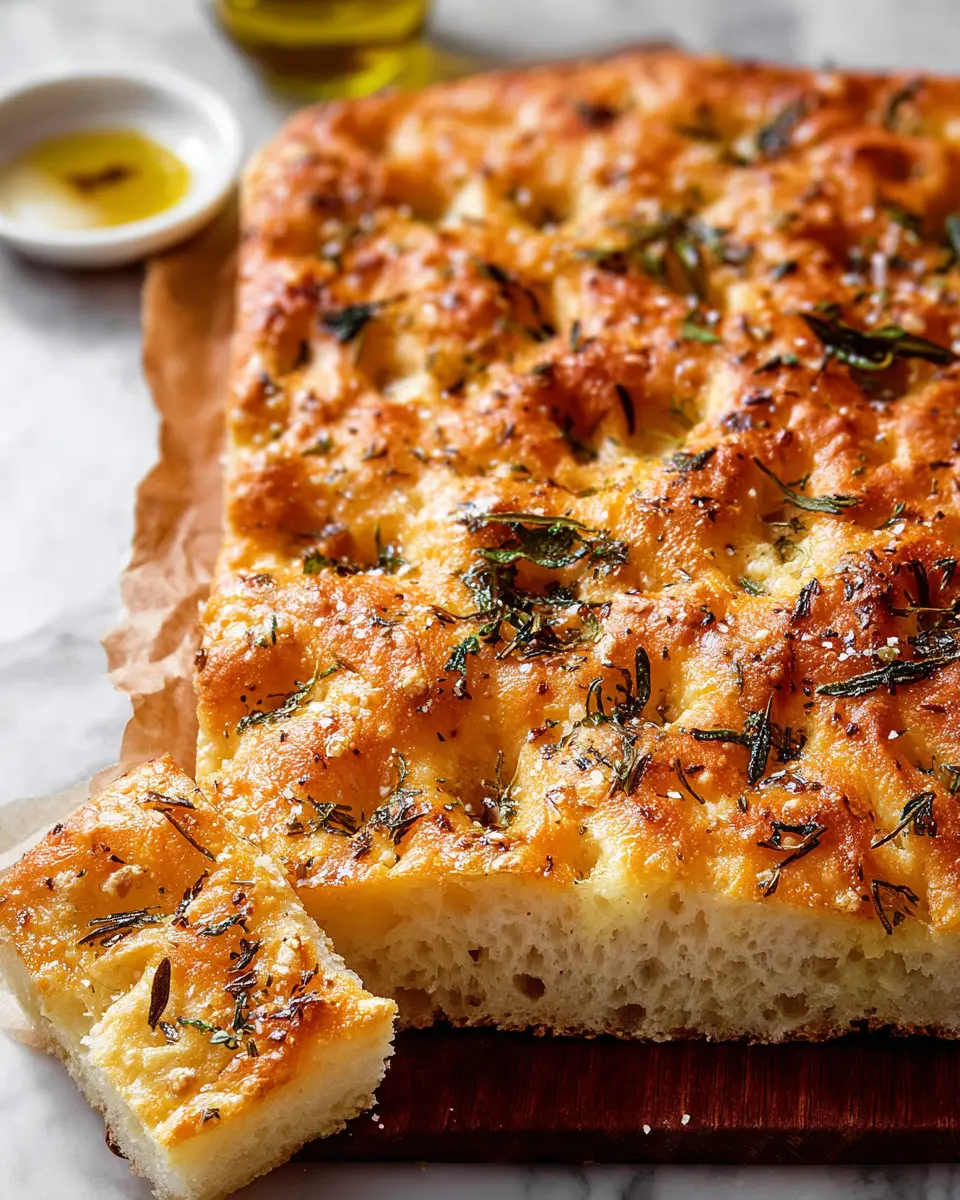
Variations on Focaccia Bread
Focaccia bread is incredibly versatile, making it easy to customize with flavors you love. Here are two crowd-pleasing variations to elevate your baking experience.
Rosemary and Sea Salt Focaccia
This classic combination is a favorite for a reason! Adding chopped fresh rosemary enhances the bread's aroma and flavor while a sprinkle of sea salt crystals gives it a delightful crunch. Simply mix these ingredients into the dough before baking and enjoy a slice that’s bursting with savory goodness.
Sun-Dried Tomato and Olives Focaccia
For a Mediterranean twist, try adding sun-dried tomatoes and chopped olives to your focaccia bread. Their rich, tangy flavors pair wonderfully with the bread's soft, airy texture. Mix them into the dough or scatter on top before baking for a vibrant, delicious treat.
Feeling inspired? Let your creativity run wild, and experiment with your favorite toppings!
Cooking Tips for Perfect Focaccia Bread
Avoiding Common Mistakes
Making focaccia bread can be easy, but there are a few pitfalls to sidestep. Firstly, ensure your yeast is active; if it doesn't foam after mixing with water and sugar, start over. When preparing your dough, resist the urge to add too much extra flour—your dough should remain sticky for that glorious texture. Finally, make sure to give your focaccia enough time to rise; patience here leads to that airy quality you desire.
Importance of Using the Right Flour
For the best results, opt for all-purpose flour. While bread flour can be tempting, it might result in a denser focaccia. According to expert bakers, using higher protein flour increases gluten formation, which can change the desired texture. So keep it simple, and enjoy the light, fluffy mouthfeel that comes with the right flour choice. For even better baking tips, check out resources from reputable culinary sites like King Arthur Baking.
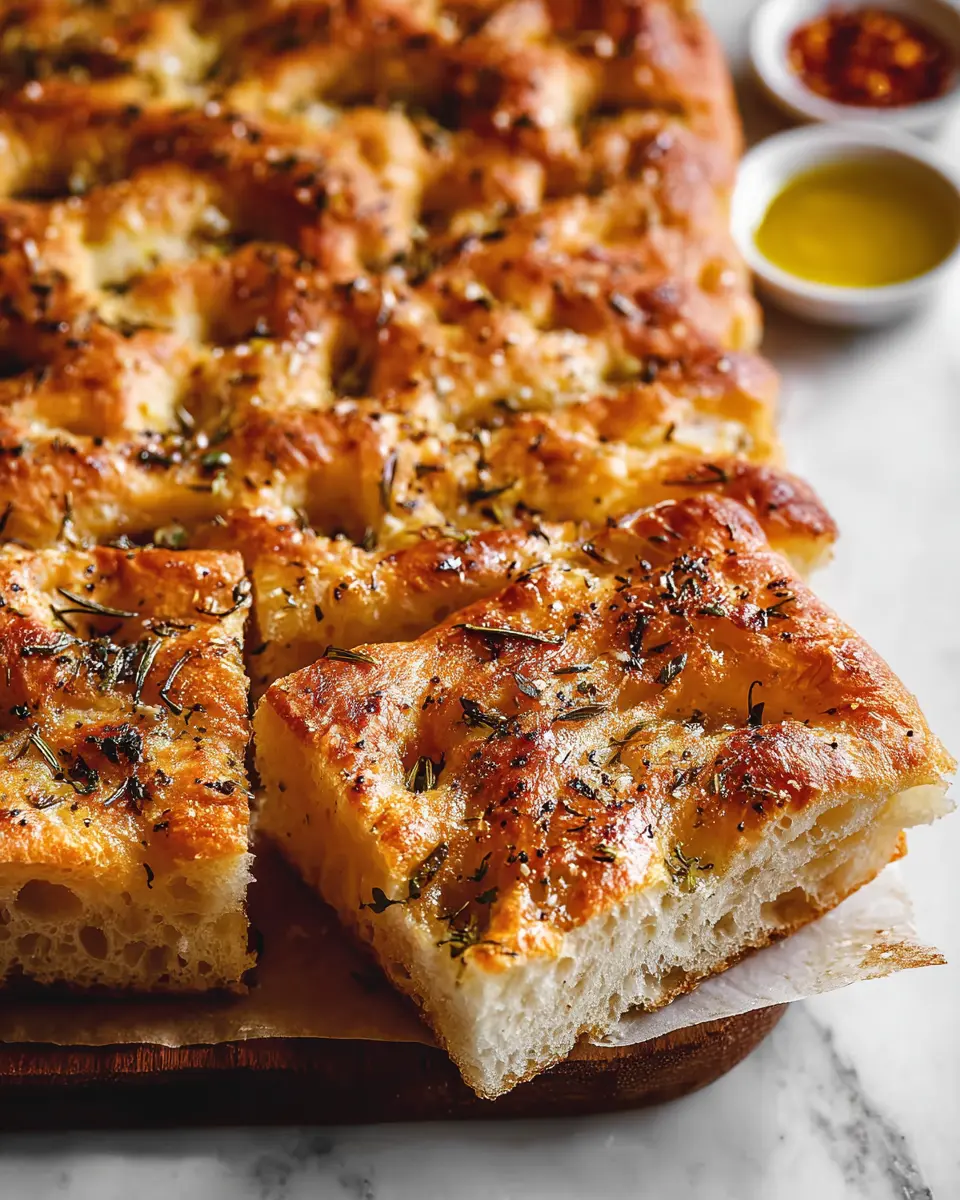
Serving Suggestions for Focaccia Bread
Pairing with Dips and Spreads
Serving focaccia bread with delightful dips can elevate any meal. Consider pairing it with a rich olive oil and balsamic vinegar blend for dipping, or a vibrant hummus like roasted red pepper. For something creamy, an herbed cream cheese spread works wonders. Wanting to impress? Try a homemade pesto for a fresh twist!
Creative Sandwich Ideas
Why limit focaccia bread to just a side dish? Use it as a genius base for sandwiches! Layer it up with slices of turkey bacon, fresh greens, and tangy mustard for a quick bite. If you’re in a lunch mood, how about a warm sandwich with chicken ham and melted mozzarella? The possibilities are endless! For more inspired uses, check out these creative sandwich ideas.
Time Breakdown for Focaccia Bread
Preparation Time
Getting started on your focaccia bread is a breeze! You’ll need about 40 minutes for prep. This includes mixing your ingredients and getting your dough ready for its first rise.
Rising Time
The magic happens during the rising phase, which takes approximately 2 hours. This gives the dough ample time to become airy and light, essential for that fluffy taste we love.
Baking Time
Once your dough has risen, it’s time to bake! Allow 20 to 30 minutes in the oven for a golden brown crust that’ll have everyone asking for seconds.
Total Time
In just around 3 hours, you’ll have fresh, homemade focaccia bread ready to impress your friends and family. Perfect for a cozy dinner or as a delightful snack!
Ready to bake? Check out our full recipe above for more detailed instructions and tips!
Nutritional Facts About Focaccia Bread
Calories per serving
A serving of focaccia bread typically contains around 150-200 calories. This makes it a delightful option for various meals, whether as a side to a salad or part of a cozy dinner spread.
Carbohydrates, Protein, and Fiber content
In each serving, you’ll find approximately 30 grams of carbohydrates, with a modest protein content of 4 grams. Although it's low in fiber, around 1 gram per serving, you can enhance this by pairing your focaccia with high-fiber toppings. For insightful details on balanced eating, check out resources from the American Heart Association.
FAQs about Focaccia Bread
Can I use different types of flour for my focaccia?
Absolutely! While the classic focaccia is made with all-purpose flour, you can experiment with other types like bread flour for a chewier texture or whole wheat flour for added nuttiness and fiber. Just remember that different flours can absorb varying amounts of water, so you may need to adjust the liquid in your recipe slightly.
How do I store leftover focaccia?
To keep your focaccia fresh, store it at room temperature in an airtight container, or wrap it in plastic wrap. It should stay good for about 2 to 3 days. If you want to maintain its crispiness, consider placing a paper towel inside the container to absorb any excess moisture.
Can I freeze focaccia bread?
Yes, you can! Wrap the focaccia tightly in plastic wrap and then in aluminum foil to prevent freezer burn. It can keep for up to 3 months. When you're ready to eat it, simply thaw it in the fridge overnight and warm it in the oven for that freshly-baked taste!
Conclusion on Focaccia Bread
Embracing Homemade Goodness Through Focaccia
In your quest for warmth and comfort, focaccia bread serves as a delightful companion. With its airy texture and crispy edges, it's a simple yet rewarding bake. Enjoy experimenting with toppings and share the goodness with loved ones, making meals memorable. Happy baking!
Focaccia Bread
Equipment
- KitchenAid Mixer
- mixing bowls
- 9x13 baking dish
Ingredients
- 1.75 cups warm water 105° to 115°F
- 2 teaspoons cane sugar
- 1 package active dry yeast ¼-ounce, 2¼ teaspoons
- 500 grams all-purpose flour 4 cups
- 2 teaspoons sea salt
- 6 tablespoons extra-virgin olive oil plus more for your hands
- Flaky sea salt optional, for sprinkling
- Chopped fresh rosemary optional, for sprinkling
Instructions
- In the bowl of a stand mixer fitted with a dough hook, stir together the water and sugar. Sprinkle the yeast on top and stir again. Set aside for 5 minutes, or until the yeast is foamy. If the yeast doesn’t foam, discard the mixture and start again with new yeast.
- Add the flour and salt and mix on low speed until a shaggy dough forms. Increase the speed to medium and mix for 5 minutes. A very elastic, sticky dough should form and begin grabbing the sides of the bowl.
- Brush a large bowl with 2 tablespoons of the olive oil. Transfer the dough to the bowl, using a spatula to scrape it out of the bowl of the stand mixer. It will be too sticky to transfer by hand. Use your fingers to lightly brush any oil that’s pooling at the edges of the dough over its surface. Cover the bowl with plastic wrap or a damp towel and set aside until the dough has doubled in size, 1 to 1½ hours.
- Brush a 9x13-inch baking dish with another 2 tablespoons of the olive oil. Uncover the dough and rub your hands with olive oil. As best you can, slide your hand under one edge of the dough and fold it into itself. Continue working your way around the edge of the bowl, folding the dough into itself, until you have a rough ball that you can lift from the bowl.
- Transfer the dough to the prepared pan and turn to coat in the oil. Press the dough to the pan’s edges. Let it relax and pull away from the edges, then press it to the edges again. Cover the pan with plastic wrap or a damp towel and set aside to rise until the dough has doubled in size, about 45 minutes. 30 minutes into this rise, preheat the oven to 425°F.
- Remove the plastic wrap and drizzle the remaining 2 tablespoons olive oil over the dough. Rub your hands with olive oil, then use your fingers to make indentations across the surface of the dough, pressing through the dough to the pan. Sprinkle with flaky sea salt and rosemary, if desired. Bake for 20 to 30 minutes, or until golden brown.




Leave a Reply