
Introduction to Making Free Apple Scrap Vinegar
Creating your own apple scrap vinegar at home is not just a crafty alternative to store-bought versions; it’s downright revolutionary! Why, you ask? First off, it's an incredible way to utilize those apple peels and cores that often go to waste. Did you know that tons of food waste could be avoided if we got a little creative? Embracing the idea of sustainable living can be as simple as learning how to make free apple scrap vinegar, transforming useless scraps into a useful condiment.
Moreover, homemade vinegar is often more flavorful and free from the preservatives and additives commonly found in commercial brands. Plus, it’s fun to watch the fermentation process unfold. As it bubbles and transforms, it’s like nurturing a little kitchen pet—you’ll be surprised at how rewarding it feels to create something from scratch!
If you're intrigued by the art of fermentation or the prospect of saving money while doing something good for the planet, this guide is for you! Get ready to dive into the delightful world of apple scrap vinegar—one of the simplest and most gratifying kitchen projects you'll ever embark on. Let’s take a look at what you’ll need to get started!
Why Homemade Apple Scrap Vinegar is a Game Changer?
Homemade apple scrap vinegar not only reduces kitchen waste but also enhances your dishes and drinks. Imagine adding a splash of this tangy goodness to your salads, marinades, or even as a natural food preservative. Studies indicate that vinegar can help improve digestion and support weight management, making it a smart addition to your diet. So, why not give it a go?
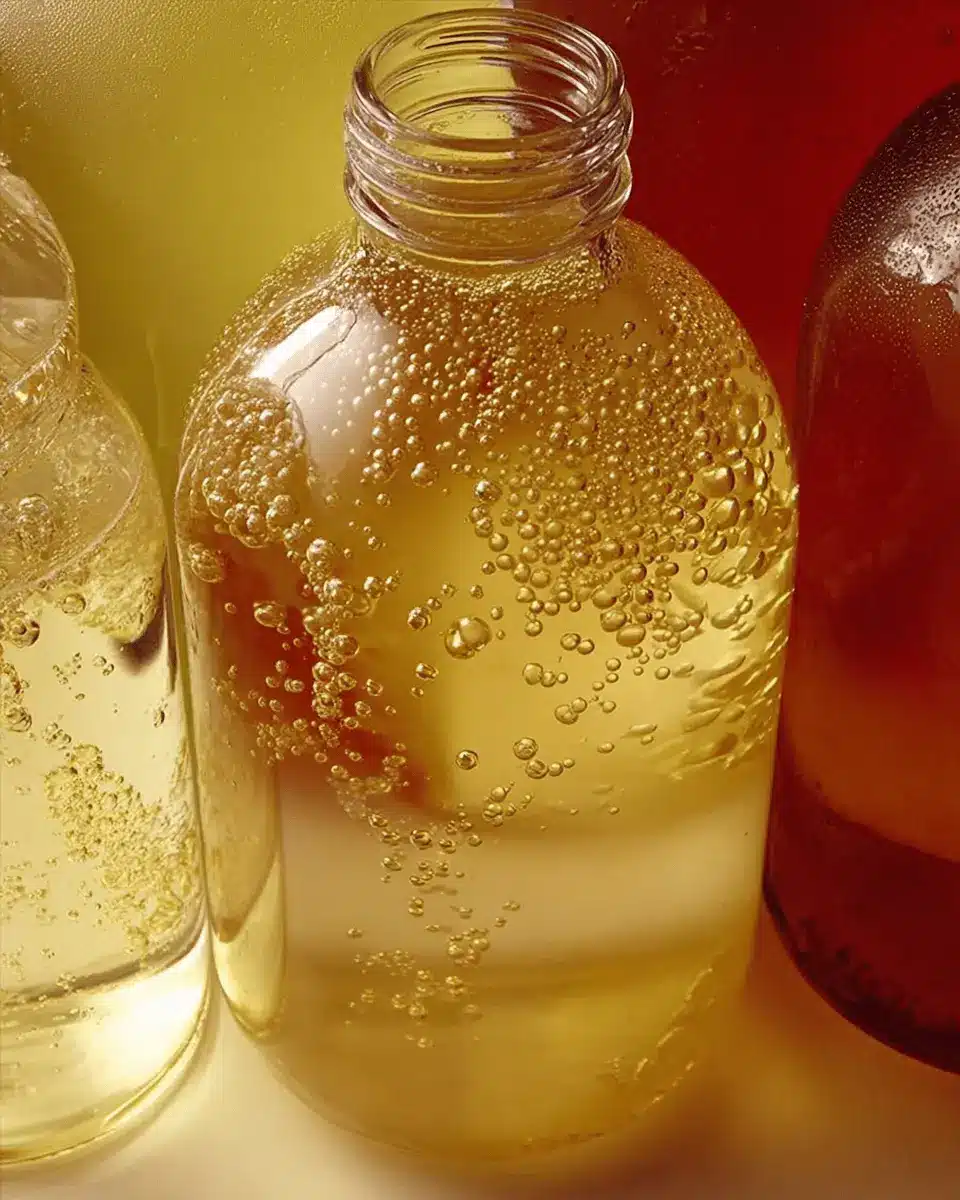
Ingredients for Apple Scrap Vinegar
What you’ll need for your vinegar
To embark on your journey of how to make free apple scrap vinegar, gather the following ingredients:
- Apple scraps: You’ll need the peels and cores from about 6 large apples. Don’t worry if they look sad; they’re perfect for this project!
- Water: Approximately 5 cups of water, just enough to cover your apple scraps.
- Sugar: A simple tablespoon of sugar will help kickstart the fermentation process and provide the necessary food for the natural yeasts.
Why use apple scraps?
Utilizing apple scraps is not just economical; it's also eco-friendly. You’re reducing waste while transforming these often-discarded pieces into a delicious condiment. Believe it or not, apple scraps are packed with nutrients and still carry the essence of the fruit's flavor. Plus, making your own vinegar helps you control the ingredients, ensuring a purer product. It's a fantastic way to incorporate sustainability into your kitchen routine! If you're curious about more sustainable practices, check out this resource on food waste reduction.
Step-by-step Preparation of Apple Scrap Vinegar
Making your very own apple scrap vinegar is not just a budget-friendly measure; it’s also a fun and sustainable way to utilize those apple scraps. If you’re eager to learn how to make free apple scrap vinegar, let’s dive into the fun and straightforward steps you can follow.
Gather your apple scraps
To kick things off, you'll need to collect apple peels and cores from about six large apples. The beauty of this project is that you can use scraps that might otherwise go to waste. You know that apple pie you made? Save those peels! If you've got kids, let them help. It turns into a family activity and a great lesson about not wasting food.
Prepare your fermentation vessel
Next, pick a large jar—make sure it’s a wide-mouth glass or ceramic container. Avoid metal or plastic, as they can react negatively with the vinegar. This jar will be the home for your fermentation process. Wash it well to ensure it's free from any contaminants. Your goal is to create an environment where beneficial bacteria can thrive, so cleanliness is key!
Combine ingredients and mix well
Once you have your scraps in hand, combine them with enough water to just cover the scraps—about five cups should do the trick. To kickstart the fermentation, add one tablespoon of sugar. Stir everything together until the sugar is dissolved. Cover the jar with a thin cloth, which allows it to breathe while keeping out pesky fruit flies.
This might feel like you’re crafting a science experiment, but trust me, it's all part of the fun! For a more in-depth look at fermentation, check out this fermentation guide to learn various techniques.
Fermentation process and daily care
After setting up your jar, stir your concoction a few times a day—it's like giving your vinegar a little love! You'll notice it start to bubble and develop a tangy smell as the fermentation kicks in. Once you see those bubbles, reduce your stirring to once daily.
Keep an eye on it; fermentation times can vary based on various factors, including temperature. After about a week, your vinegar should start tasting delightfully sour!
Strain and bottle your vinegar
When you detect that lovely sour flavor, it’s time to strain out the apple scraps. Use the thin cloth to filter the mixture into a clean bottle. Make sure it's tightly sealed, but remember to “burp” it occasionally if you notice any carbonation, just to avoid any overflow or explosions.
And there you have it—your very own homemade apple scrap vinegar! Not only is it a cost-effective kitchen staple, but it's also a testament to sustainable living. Store it in a cool, dark place, and use it in dressings, marinades, or even as a natural cleaning solution! Who knew that making vinegar could be so rewarding?
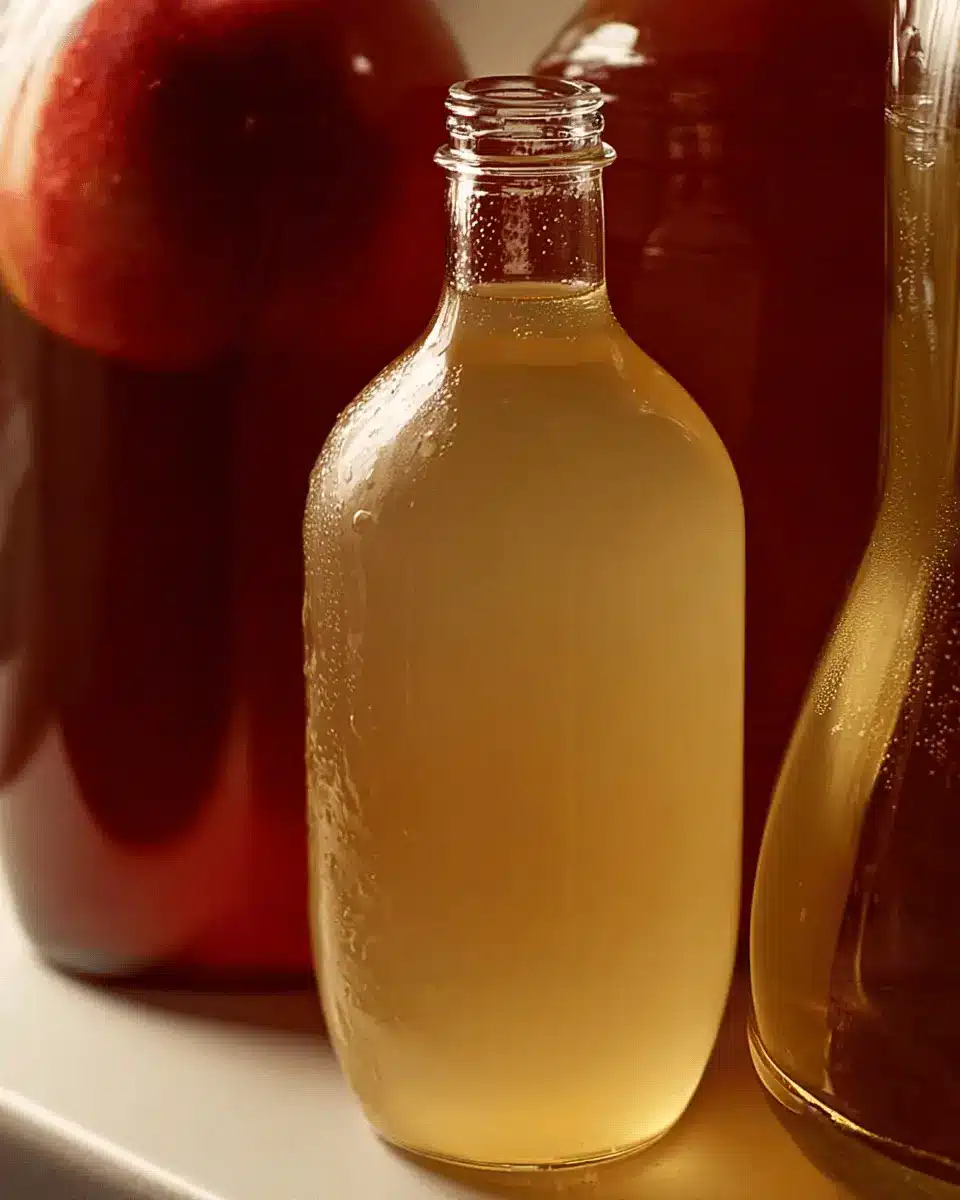
Variations on Apple Scrap Vinegar
Elevate your homemade apple scrap vinegar with these delicious variations that incorporate unique flavors into your pantry staple.
Spiced Apple Scrap Vinegar
Want to add a little warmth to your vinegar? Simply include spices during the fermentation process. Consider adding cinnamon sticks, whole cloves, or allspice berries to your apple scraps. These spices not only complement the apple flavor but also bring a delightful aroma and depth to your vinegar. Furthermore, studies show that spices can add beneficial antioxidants to your diet, making your vinegar not only delicious but also a bit healthier!
Herbal-Infused Apple Scrap Vinegar
For another burst of flavor, try infusing your apple scrap vinegar with fresh herbs. Rosemary, thyme, or basil can work wonders and will create a unique culinary concoction. Just toss in a handful of your chosen herbs with your apple scraps. These herbs can enrich your vinegar, enhancing its use in salad dressings or marinades. If you’re curious about herb-infused vinegars, check out reputable food sources like The Spruce Eats for more inspiration.
These variations allow you to get wonderfully creative in your kitchen, and they ensure you're making the most out of using apple scraps. Looking for how to make free apple scrap vinegar? These tips can help you initiate your journey!
Cooking Tips and Notes for Apple Scrap Vinegar
Common pitfalls to avoid
When learning how to make free apple scrap vinegar, it's easy to feel overwhelmed. One common pitfall is not stirring frequently enough, which can lead to mold growth. Be sure to check in on your mix daily! Another mistake is using non-organic apples, as pesticides can impact the fermentation process. And remember, don’t rush the straining step; if bubbles are still present, your vinegar isn't quite ready.
How to enhance flavor during fermentation
To give your vinegar an extra zing, consider adding spices like cinnamon sticks or cloves during fermentation. You might also experiment with adding a splash of citrus zest for a refreshing twist. For a sweeter profile, honey or maple syrup can work wonders! Not only do these elements elevate your vinegar's taste, but they also make the whole experience of making vinegar even more enjoyable.
For some great insights on fermentation basics, check out the Fermenting Network, which has fantastic resources you might find helpful!
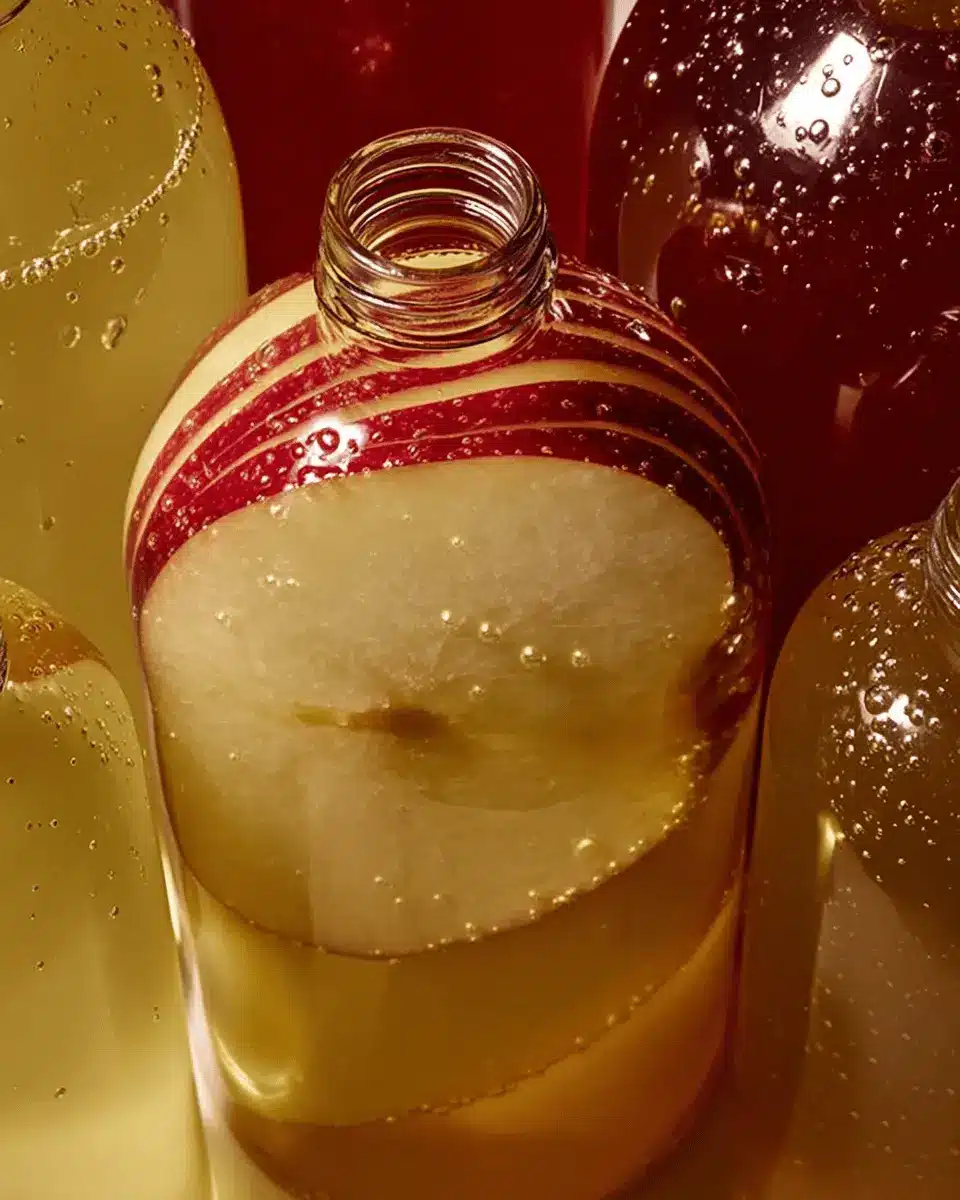
Serving Suggestions for Apple Scrap Vinegar
Uses in salads and dressings
When you learn how to make free apple scrap vinegar, you unlock a world of flavors to elevate your salads and dressings! Simply drizzle it over fresh greens to add a tangy zip, or whisk it with olive oil, honey, and Dijon mustard for a delightful vinaigrette. It pairs beautifully with roasted seasonal vegetables, too! You won’t believe how a splash of this homemade vinegar can brighten up a simple salad.
Creative ways to incorporate vinegar into drinks
Don’t stop at salads—apple scrap vinegar can add a unique twist to your beverages. Try adding a tablespoon to sparkling water for a refreshing drink, or mix it into your favorite iced tea for a zingy twist. A bit of apple scrap vinegar can even enhance smoothies by providing a pop of acidity that helps balance out sweetness. Discover your favorites, and experiment until you find the perfect combination! For more drink ideas, check out this great resource on infused beverages for inspiration.
Time Breakdown for Apple Scrap Vinegar
Making your own apple scrap vinegar is both a rewarding and straightforward process! Here's a quick overview of the time involved for how to make free apple scrap vinegar.
Prep Time
5 minutes - Gather your apple scraps, sugar, and water; it’s as simple as that!
Fermentation Time
14 days - After initial mixing, allow the mixture to ferment and transform into delicious vinegar.
Total Time
14 days and 5 minutes - Just a short investment for homemade goodness that enhances your dishes!
With just a simple setup and a little patience, you'll enjoy a flavorful, free apple scrap vinegar that can elevate your recipes. For a deeper dive into the step-by-step process, check out our full instructions above!
Nutritional Facts for Apple Scrap Vinegar
Calories per serving
Apple scrap vinegar is low in calories, with roughly 3 calories per tablespoon (15 ml). This makes it an excellent diet-friendly condiment to enhance your meals without adding extra weight.
Health benefits of apple scrap vinegar
Apple scrap vinegar boasts an array of health benefits. Here’s why you might want to whip up your own:
- Aids digestion: The acetic acid can help with digestion and may ease bloating.
- Supports weight management: Some studies suggest that vinegar may promote a feeling of fullness.
- Regulates blood sugar: Consuming vinegar alongside meals may support healthy blood glucose levels.
- Packed with antioxidants: Apple scraps retain many nutrients, contributing to overall wellness.
By learning how to make free apple scrap vinegar, you not only reduce kitchen waste but also boost your health naturally! If you want to delve even deeper into the health benefits of vinegar, check out sources like Healthline's comprehensive overview.
As you embark on this deliciously creative journey, you'll be transforming kitchen scraps into a flavorful addition to salads, marinades, and more. It’s a wonderful reminder that waste doesn’t have to be wasted!
FAQs about Apple Scrap Vinegar
How long can I store my homemade vinegar?
Your homemade apple scrap vinegar is quite the resilient condiment. Once strained and bottled, it can last indefinitely if stored in a cool, dark place. However, for the best flavor, it's ideal to use it within a year. Just keep an eye out for any signs of spoilage, like unusual smells or floating particles.
Can I use different types of apples?
Absolutely! While sweet apples like Fuji or Honeycrisp can yield a richer flavor, mixing varieties can enhance your vinegar's taste profile. Don’t hesitate to experiment with brighter tart apples like Granny Smith either. They can add a unique zing to your condiment!
Is apple scrap vinegar better than store-bought?
The answer could depend on personal preference, but many find that homemade apple scrap vinegar captures a fresher, more complex flavor. Unlike its store-bought counterparts, making vinegar at home lets you control the sweetness and acidity. Moreover, it's a fantastic way to minimize food waste! Curious about the benefits? Check out this insightful article on homemade vinegars.
A Fresh Start with Homemade Vinegar
In conclusion, making your own Apple Scrap Vinegar is not only a sustainable choice, but it also introduces a fresh and tangy flavor into your meals. By using scraps that would otherwise go to waste, you not only minimize waste but also embrace a healthier cooking method. If you’re looking for budget-friendly ways to enhance your culinary creations, learning how to make free apple scrap vinegar is a great start! Your kitchen will thank you for this delightful addition to your condiments.
For more on the benefits of homemade vinegar and zero-waste living, consider checking out this article on sustainability in the kitchen. Happy fermenting!
How to Make Free Apple Scrap Vinegar
Equipment
- large jar
- thin cloth to strain the liquid
Ingredients
Apple Scraps
- 6 large apples (peels and cores)
- 5 cups water enough to just cover the apples and cores
- 1 tablespoon sugar
Instructions
Preparation
- Remove any broken seeds or seeds poking out of the cores. Combine apple scraps, water and sugar in a large, wide-mouth glass or ceramic vessel and stir. Cover with a thin cloth.
- Over the next several days, stir your fermentation several times a day when you think of it. After a few days, your concoction should start to bubble and begin to smell slightly alcoholic.
- Once the ferment starts bubbling, stir it once a day.
- Continue to stir daily. Fermentation times vary, but your vinegar will likely start to taste sour after about one more week. At this point you may strain the fruit out and compost the spent scraps.
- Bottle your vinegar if you detect no carbonation. Although you may see no evidence of bubbling, and believe the fermentation has ended, this may not be the case. To avoid messes—or worse, explosions—burp your stored vinegar occasionally if you see any bubbles whatsoever.



Leave a Reply