
Introduction to Sourdough Bread
Why make homemade sourdough bread?
Ah, sourdough bread — the delicious, artisanal loaf that’s captivating kitchens around the world! If you’re wondering why you should venture into making sourdough bread at home, consider this: the magic lies not just in its incredible taste and texture, but also in the sense of achievement that comes from creating it yourself. This age-old craft allows you to connect with food on a deeper level.
Homemade sourdough is inherently healthier than store-bought versions. It’s made with only a few simple ingredients — flour, water, and salt — plus a sourdough starter to introduce those marvelous wild yeast and bacteria. These microorganisms not only help the bread rise but also enhance its digestibility. Studies suggest that sourdough may have lower glycemic indexes than regular bread, making it gentler on your blood sugar levels.
Mastering how to make sourdough bread can elevate your culinary skills and even become a relaxing hobby. As the dough rises and the aroma fills your kitchen, you might just find a new passion. For those looking to dive into this delightful world, there are countless resources available, including The Kitchn, which offer guidance on maintaining a vibrant starter. So grab your apron and let’s embark on this sourdough journey together!
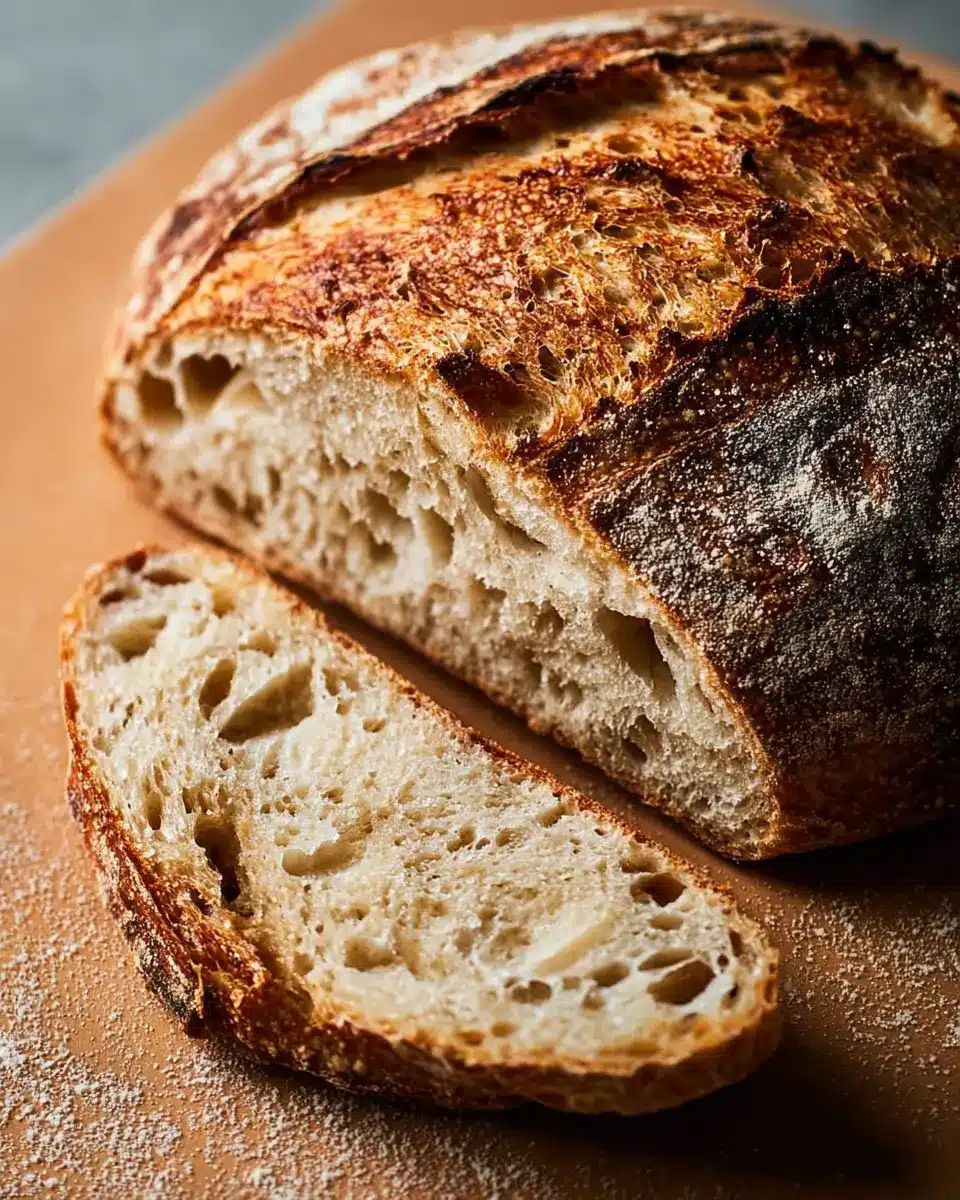
Ingredients for Sourdough Bread
Making scrumptious sourdough bread at home begins with the right ingredients. Let's break down what you'll need for the leaven and the dough to get that beautiful, tangy flavor.
For the leaven
-
1 tablespoon active sourdough starter
This is the heart of your sourdough. A robust starter ensures a good rise and flavor. -
75 grams all-purpose flour or bread flour (½ cup)
Choose high-quality flour for the best results. -
75 grams water (⅓ cup)
Water at room temperature helps activate the starter effectively.
For the dough
-
525 grams water (2 ½ cups), divided
Water plays a crucial role in dough hydration and fermentation. -
1 tablespoon salt
Salt not only enhances flavor but also controls fermentation. -
700 grams all-purpose flour or bread flour (5 ½ cups)
Again, opt for high-quality flour to support gluten development.
With these essential ingredients, you're well on your way to mastering how to make sourdough bread that will impress anyone lucky enough to share a slice!
Preparing Sourdough Bread
Making sourdough bread isn’t just a baking chore—it's a thoughtful journey that engages the senses and rewards your efforts with delicious, freshly baked loaves. Here’s a friendly guide on how to make sourdough bread from start to finish.
Activate Your Sourdough Culture
Before diving into the bread-making process, ensure your sourdough starter is lively and bubbling with enthusiasm. If it's been lounging in the refrigerator, pull it out 2-3 days in advance. Feed it daily to awaken its natural yeasts and get it back into baking shape. An active culture is essential for a successful rise!
Make the Leaven
The evening before you plan on baking, mix the leaven ingredients—your active sourdough starter, flour, and water—into a large bowl. Stir until you have a thick batter, cover it, and let it sit at room temperature overnight. This step is crucial; it builds the foundation for flavor and fermentation.
Test the Leaven
In the morning, it’s time to check if your leaven is ready for action. Look for a bubbly surface; then drop a spoonful into a glass of water. If it floats, congrats—you’re ready to proceed!
Mix Leaven and Salt Water
Separately, dissolve some salt in a portion of the dough water so that it incorporates evenly into your bread. This will help enhance flavor and strengthen the dough.
Combine with Flour
Now, add the remaining water to the leaven and stir. Don’t stress if there are clumps; they’ll break down during mixing. Gradually incorporate your flour until everything is well combined into a shaggy mass.
Autolyse the Dough
Cover your bowl and let the dough rest for at least 30 minutes. This period, known as autolyse, allows the flour to fully absorb the water, making the dough easier to work with later.
Incorporate the Salt
Once rested, pour the dissolved salt over the dough. Mix it in by pinching and squeezing, helping to create a cohesive structure.
Fold the Dough
Now comes the fun part! Over the next 2.5 hours, perform a series of folds to develop the dough’s strength. Every 30 minutes, lift and fold the dough from each side, gradually transforming it into a smoother texture.
Let the Dough Rise
Finally, let the dough rise undisturbed for another 30 to 60 minutes. It should appear slightly puffed when it's ready.
Divide and Pre-Shape
Transfer the dough onto a floured surface, being gentle so you don't deflate it. Using a pastry scraper, divide the dough in half, then shape each piece into a loose round.
Final Shaping of the Loaves
After a short rest, it’s time for the final shaping. This step is important for creating surface tension, which helps your loaves maintain their structure during baking.
Proof the Dough
Transfer your shaped loaves into proofing baskets lined with floured towels (this prevents sticking), then cover them to rise. If you like, let them proof at room temperature for 3-4 hours, or refrigerate overnight for a slower fermentation.
Prepare the Oven for Baking
While the dough is proofing, preheat your oven to 500°F. Placing Dutch ovens inside creates a steamy environment that mimics a professional bread oven, yielding a crusty exterior.
Score and Bake the Loaves
Once your loaves are ready, carefully transfer them to the hot Dutch ovens. A quick slash on the top of each loaf allows steam to escape while baking—don’t be shy here! Cover and bake for the first 20 minutes, then lower the temperature and continue baking until golden brown.
And there you have it—a comprehensive approach on how to make sourdough bread! With practice, patience, and a little love, your kitchen will soon be filled with the irresistible aroma of freshly baked loaves. Happy baking!
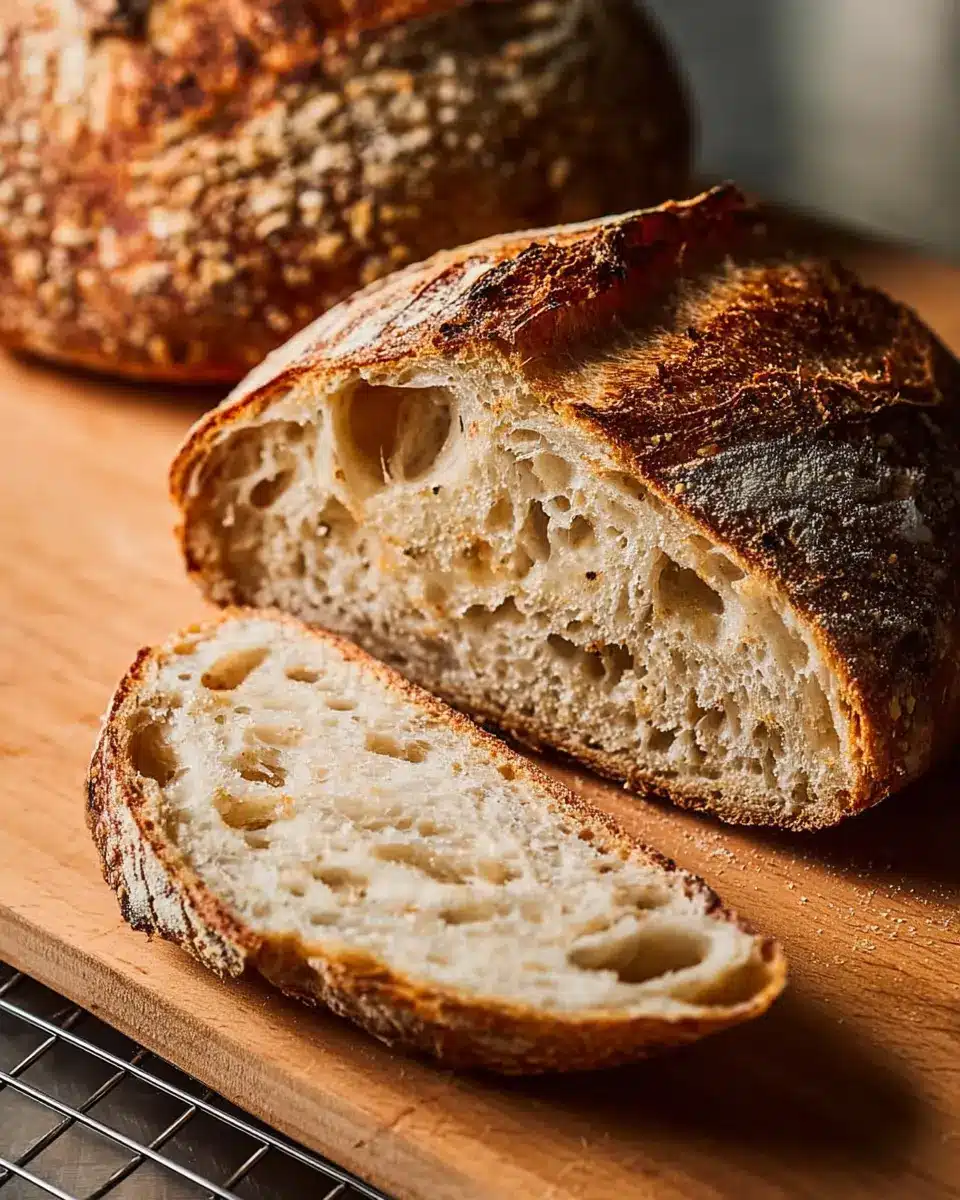
Variations on Sourdough Bread
Looking to mix things up with your sourdough bread? Here are two delicious variations to try!
Sourdough with Herbs
Why not elevate the flavor profile of your standard sourdough? Adding fresh or dried herbs can transform your loaf into something extraordinary. Consider mixing in rosemary, thyme, or even basil for a fragrant touch. Simply fold in a couple of tablespoons during the final stages of dough preparation. You’ll be amazed at how these herbs enhance the taste and aroma of your bread—perfect for sandwiches or as a side for soups.
Whole Wheat Sourdough
If you’re looking for a healthier option, why not try a whole wheat sourdough? Substitute half of the all-purpose flour with whole wheat flour for a nutty flavor and added nutrition. Keep an eye on hydration levels, as whole wheat can absorb more water. This version provides a hearty texture and is just as satisfying as its classic counterpart. Plus, it’s an excellent way to incorporate more whole grains into your diet. For tips on how to make sourdough bread using whole wheat flour, check out King Arthur Baking for expert guidance.
Experimenting with these variations will keep your sourdough experience fresh and exciting!
Baking Tips for Sourdough Bread
Creating the perfect sourdough takes a bit of patience, but with these tips, you'll be well on your way to mastering how to make sourdough bread!
Use High-Quality Ingredients
Opt for fresh flour and a robust starter. The quality of your ingredients significantly impacts flavor and texture.
Hydration is Key
Sourdough requires a wetter dough than typical bread. Don't be afraid to embrace the stickiness; it's part of what gives your bread its beautiful texture.
Understand Timing
Pay attention to the fermentation process. The dough can be unpredictable—sometimes it might need a little longer to rise.
Bake with Steam
Using a Dutch oven will create a steamy environment, helping achieve that coveted crust.
Experiment and Enjoy
Each batch may teach you something new. Keep notes on what works well, and don't shy away from adjusting your techniques over time. Happy baking!
For more insights, consider checking out King Arthur Baking for expert advice on sourdough techniques.
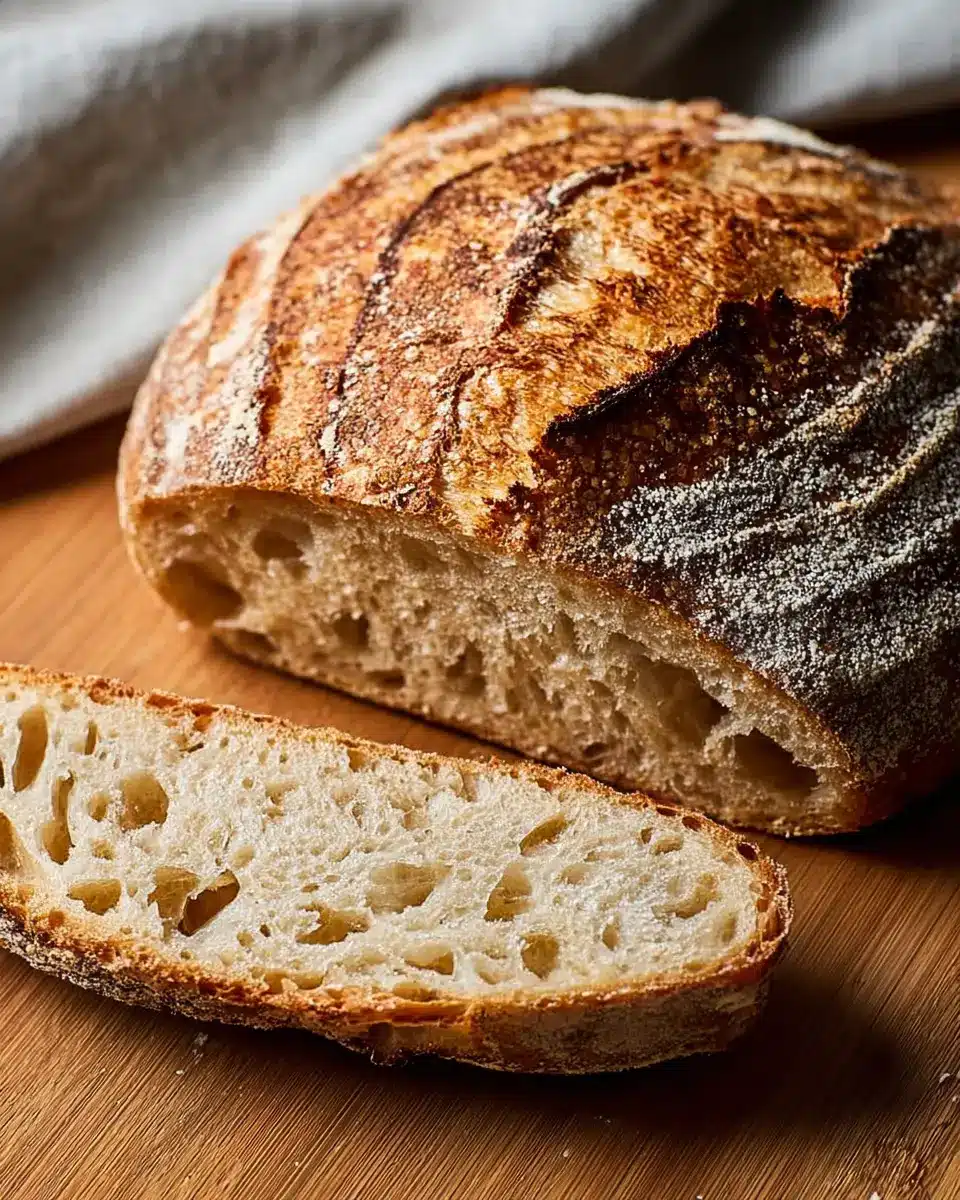
Serving suggestions for Sourdough Bread
Sourdough bread is not just a delight on its own; it can elevate a meal in countless ways! Here are some delightful serving suggestions to inspire you:
Perfect Pairings
- Avocado Toast: Smash ripe avocado on toasted sourdough and sprinkle with sea salt, red pepper flakes, or fresh herbs. It's a classic breakfast option!
- Turkey Bacon Sandwich: Layer crispy turkey bacon with fresh greens and a dollop of mayo on sourdough for a satisfying lunch.
- Soup Companion: Serve warm sourdough alongside a hearty bowl of minestrone or tomato basil soup. The crusty exterior and soft interior are perfect for scooping!
- Charcuterie Board Star: Slice your sourdough to include in a charcuterie spread with chicken ham, cheeses, olives, and a touch of honey or fig jam for contrast.
These suggestions not only enhance the flavor of your artisan bread but also show you the versatility of sourdough in everyday meals. Enjoy exploring the many ways to enjoy the fruits of your labor in how to make sourdough bread! For more inspiration, you can check The Kitchn for serving ideas and recipes that complement your homemade bread.
Time Details for Sourdough Bread
Preparation Time
Making sourdough bread is a journey that takes patience. You’ll need about 24 to 48 hours for preparation. This includes nurturing your sourdough starter to ensure it’s bubbly and ready to work its magic in the dough.
Baking Time
When it comes to baking your bread, set aside 45 to 50 minutes. The first 20 minutes will be covered, creating steam for that beautiful crust, followed by baking uncovered for additional color and texture.
Total Time
In total, you’re looking at approximately 25 hours from start to finish (including the rising time). It may sound daunting, but believe me, the delicious aroma and flavor make every minute worthwhile. For a more detailed exploration of the process, check this complete sourdough guide.
If you’re curious about how to make sourdough bread at home, these time details can help you plan your baking adventure! Trust me, the wait will be more than worth it when you pull that perfect loaf out of the oven. Happy baking!
Nutritional Information for Sourdough Bread
Calories
A single slice of homemade sourdough bread contains approximately 80-100 calories, making it a satisfying addition to your meal without overloading on calories.
Protein
Sourdough bread provides about 3 grams of protein per slice, thanks to the use of all-purpose or bread flour, contributing to your daily protein needs in a tasty way.
Sodium
With around 200 milligrams of sodium per slice, sourdough bread offers a moderate amount of salt, allowing you to enjoy its flavor while keeping your intake in check.
Understanding the nutritional aspects is essential when learning how to make sourdough bread. Besides tasting fantastic, it's a bread that aligns well with a balanced diet. For more insights on healthy eating, check out Harvard Health for in-depth articles.
FAQs about Sourdough Bread
How long does sourdough bread last?
Sourdough bread typically stays fresh for about 4 to 5 days when stored at room temperature in a paper bag. This helps retain its crust while allowing some airflow. To extend its life, consider wrapping it in plastic wrap. A tip from our baking community: always slice from the middle rather than the ends to help maintain freshness!
Can I freeze sourdough bread?
Absolutely! Freezing sourdough bread is a great way to preserve its deliciousness. Just wrap slices or whole loaves tightly in plastic wrap, then place them in a freezer-safe bag. When you’re ready to enjoy, let it thaw at room temperature, or pop slices straight into the toaster for that warm, freshly-baked feel.
What should I do if my sourdough doesn’t rise?
If your sourdough bread isn’t rising, don't fret. It may be due to an inactive starter or insufficient fermentation time. Ensure your sourdough starter is bubbly and active before use; consider feeding it a day or two prior. If that’s not the issue, give your dough a little extra time to proof—it may need more warmth! For more tips on troubleshooting, check out this guide on sourdough baking.
Conclusion on Sourdough Bread
Making your own sourdough bread can be an incredibly rewarding experience. With patience and practice, you'll enjoy the unique flavors and textures that come from artisanal sourdough. Remember, the key lies in understanding your ingredients and following the fermentation process. Happy baking!
How To Make Sourdough Bread
Equipment
- mixing bowls
- plastic wrap
- spatula
- Pastry scraper
- Bread proofing baskets
- Dutch ovens
Ingredients
For the leaven
- 1 tablespoon active sourdough starter
- 75 grams all-purpose flour or bread flour about ½ cup
- 75 grams water about ⅓ cup
For the dough
- 525 grams water divided, about 2 ½ cups
- 1 tablespoon salt
- 700 grams all-purpose flour or bread flour about 5 ½ cups
Instructions
Preparation
- Make sure your sourdough culture is active. If your sourdough has been in the refrigerator, take it out 2 to 3 days before you plan to bake. Feed it daily to make sure it's strong and very active before you make the bread.
- Make the leaven and let it sit overnight. The night before you plan to make the dough, place all the leaven ingredients in a large bowl and mix thoroughly to form a thick batter. Cover and let stand at room temperature overnight, about 12 hours.
- Test that the leaven is ready. Generally, if the surface of the leaven is very bubbly, it's ready to be used. To double check, drop a small spoonful of the leaven in a cup of water; if the leaven floats, it's ready.
- Dissolve the salt. Place 50 grams (about ¼ cup) of the water and the salt for the dough in a small bowl. Set aside, stirring occasionally to make sure the salt dissolves.
- Mix the leaven and water. Add the remaining 475 grams (2 cups) of water for the dough to the bowl of leaven. Stir with a spatula or use your hands to break up and dissolve the leaven into the water.
- Add the flour. Add the flour and stir with a rubber spatula until there are no more bits of dry flour and it forms a very shaggy dough.
Resting and Folding
- Rest the dough (30 minutes, or up to 4 hours). Cover the bowl with plastic wrap or a clean kitchen towel. Let the dough rest for at least 30 minutes or up to 4 hours.
- Mix in the salt. Pour the dissolved salt over the dough. Work the liquid and salt into the dough by pinching and squeezing the dough.
- Begin folding the dough (2 ½ hours). To fold the dough, grab the dough at one side, lift it up, and fold it over on top of itself. Let the dough rest 30 minutes, then repeat.
- Let the dough rise undisturbed (30 to 60 minutes). Once you've finished the folds, cover and let the dough rise undisturbed for 30 to 60 minutes.
- Divide the dough. Sprinkle some flour on a work surface and turn the dough out on top. Use a pastry scraper to divide the dough in half.
- Shape the dough into loose rounds. Use your pastry scraper to shape each one into loose rounds.
- Rest the dough (20 to 30 minutes). Once both pieces of dough are shaped, let them rest for 20 to 30 minutes.
Final Shaping and Proofing
- Prepare 2 bread proofing baskets, colanders, or mixing bowls. Line with clean kitchen towels and dust them heavily with flour.
- Shape the loaves. Dust the top of one of the balls of dough with flour, flip it over, and shape the loaf.
- Transfer to the proofing baskets. Dust the tops and sides of the shaped loaves generously with flour and place them into the proofing baskets upside down.
- Let the dough rise (3 to 4 hours, or overnight in the fridge). Cover the baskets loosely and let them rise.
Baking
- Heat the oven to 500°F. Place two Dutch ovens or other heavy-bottomed pots with lids in the oven.
- Transfer the loaves to the Dutch ovens. Carefully remove one heated Dutch oven from the oven and tip the loaf into the pot.
- Score the top of the loaf. Use a lame or sharp knife to quickly score the surface of the loaves.
- Bake the loaves for 20 minutes. Cover and bake.
- Reduce the oven temperature to 450°F and bake another 10 minutes.
- Remove the lids and continue baking 15 to 25 minutes.
- Bake another 15 to 25 minutes. Continue baking uncovered until the crust is deeply browned.
- Cool the loaves completely. Transfer them to wire racks to cool completely.



Leave a Reply