
Introduction to Rice Pilaf
What is rice pilaf and why is it popular?
Rice pilaf is a delightful, aromatic dish that consists of rice cooked in a flavorful broth, often accompanied by a mix of onions and herbs. Unlike plain cooked rice, pilaf is sautéed briefly before simmering, which helps to enhance the rice's natural nuttiness and gives it a beautiful, fluffy texture. This method of cooking allows each grain to absorb the broth’s flavors while remaining distinct rather than clumping together.
The popularity of rice pilaf can be attributed to its versatility. It serves as a fantastic base for an array of proteins and vegetables, making it a staple in both casual and formal dining. Whether you’re serving it alongside grilled chicken, sautéed vegetables, or even a robust stew, rice pilaf complements various dishes effortlessly.
Furthermore, pilaf can easily adapt to different cuisines around the world, from Middle Eastern spiced versions to herby Mediterranean styles. If you’re eager to explore new flavor profiles, adding spices like cumin, turmeric, or even a dash of citrus zest can transform your rice pilaf experience. For a well-rounded, delicious side that elevates any meal, rice pilaf is truly a go-to dish everyone should try!
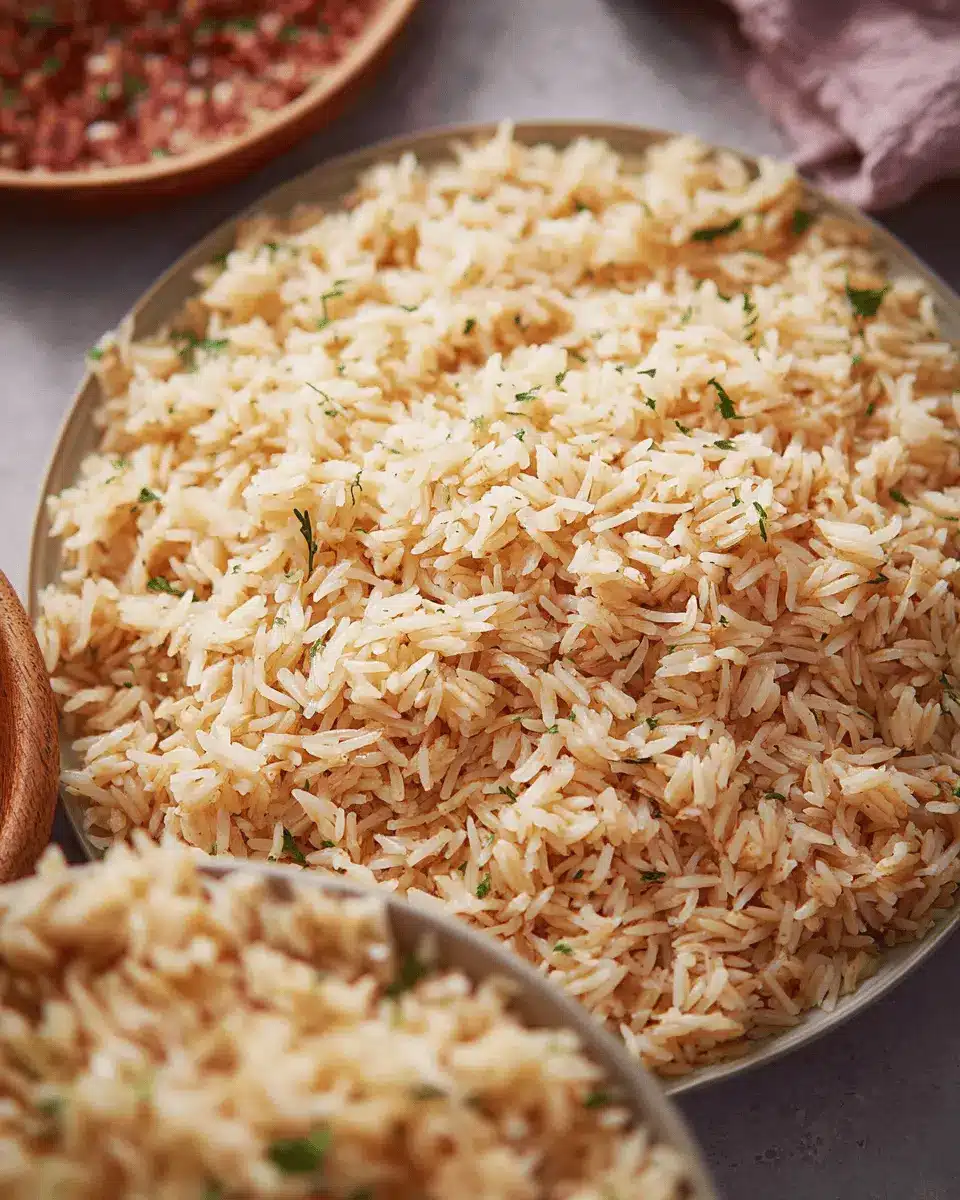
Ingredients for Rice Pilaf
Essential ingredients for a hearty rice pilaf
To whip up a delicious rice pilaf, you’ll need a few essential ingredients that form the foundation of this comforting dish:
- 3 tablespoons olive oil: This adds richness and helps sauté the aromatics.
- 1 medium yellow onion, diced: Provides sweetness and depth of flavor.
- 4 garlic cloves, minced: Enhances aroma and gives a savory kick.
- 1½ cups long-grain white rice: A key ingredient, ensuring fluffy grains.
- 3 cups chicken broth or vegetable broth: Offers a flavorful base for cooking the rice.
- 1 teaspoon salt: Essential for seasoning.
- ½ teaspoon ground black pepper: Adds a hint of spice.
- 3 tablespoons chopped parsley: For a fresh finish and color.
Optional ingredients to enhance flavor
Don’t hesitate to get creative! Here are some optional ingredients you can add to elevate your rice pilaf:
- Nutmeg or cinnamon: A pinch can bring warmth and depth.
- Diced vegetables: Consider adding bell peppers or carrots for color and nutrition.
- Nuts or dried fruits: Almonds or raisins can introduce nice texture and taste.
- Spices like cumin or turmeric: Perfect for a little flair; they’re popular in various cuisines.
For more tips on making a versatile pilaf, check out this guide on spices. Happy cooking!
Preparing Rice Pilaf
Making a delicious rice pilaf is an experience that can brighten up any meal! This versatile dish is all about layering flavors and achieving that perfect fluffy texture. Let’s dive right in!
Gather your ingredients
Before you begin, it’s essential to have all your ingredients at the ready. You will need:
- 3 tablespoons olive oil
- 1 medium yellow onion, diced (225g)
- 4 garlic cloves, minced
- 1½ cups long-grain white rice (270g)
- 3 cups chicken broth or vegetable broth (720mL)
- 1 teaspoon salt
- ½ teaspoon ground black pepper
- 3 tablespoons chopped parsley
Having everything prepped makes the cooking process a breeze and ensures you won’t be scrambling for anything mid-recipe.
Sauté the aromatics
Begin by heating the olive oil in a large skillet over medium heat. Once the oil is shimmering, add the diced onion and minced garlic. Cook these together for about 5 minutes, stirring frequently. You're looking for the onion to become soft and translucent. This step is crucial—onions and garlic are the building blocks of flavor in rice pilaf, giving it that warm, hearty base.
Pro tip: If you want to add an extra layer of complexity to your pilaf, consider adding spices like cumin or turmeric at this stage. For more on spice blending, check out this guide on spices from the Culinary Institute of America.
Toast the rice for added flavor
Once the onion and garlic are ready, it's time to introduce the star of the show—the rice! Add the long-grain rice to the skillet and stir it constantly for about 4 minutes. You want the rice to turn lightly golden, which enhances its nutty flavor. Make sure to stay attentive here—burnt onions can ruin your pilaf!
Add broth and seasonings
Now you’re ready to bring everything together! Pour in the chicken or vegetable broth along with the salt and pepper. Raise the heat to bring the mixture to a boil. Once boiling, cover the skillet with a lid, and reduce the heat to a simmer. Let it cook for about 15 minutes. It’s crucial not to lift the lid during this time, as steam is what makes the rice fluffy.
Simmer and let it stand
After simmering, remove the skillet from the heat but keep the lid on. Let your rice pilaf stand, covered, for 5 additional minutes. This final steaming step is key—it allows the rice to finish cooking and develop that beautiful, fluffy texture.
When you’re ready to serve, lift the lid and fluff the rice with a fork. Gently stir in the chopped parsley for a burst of freshness. Just like that, you have a lovely rice pilaf ready to elevate any meal!
Enjoy your tasty creation as a side or a base for any number of proteins—you won't be disappointed!
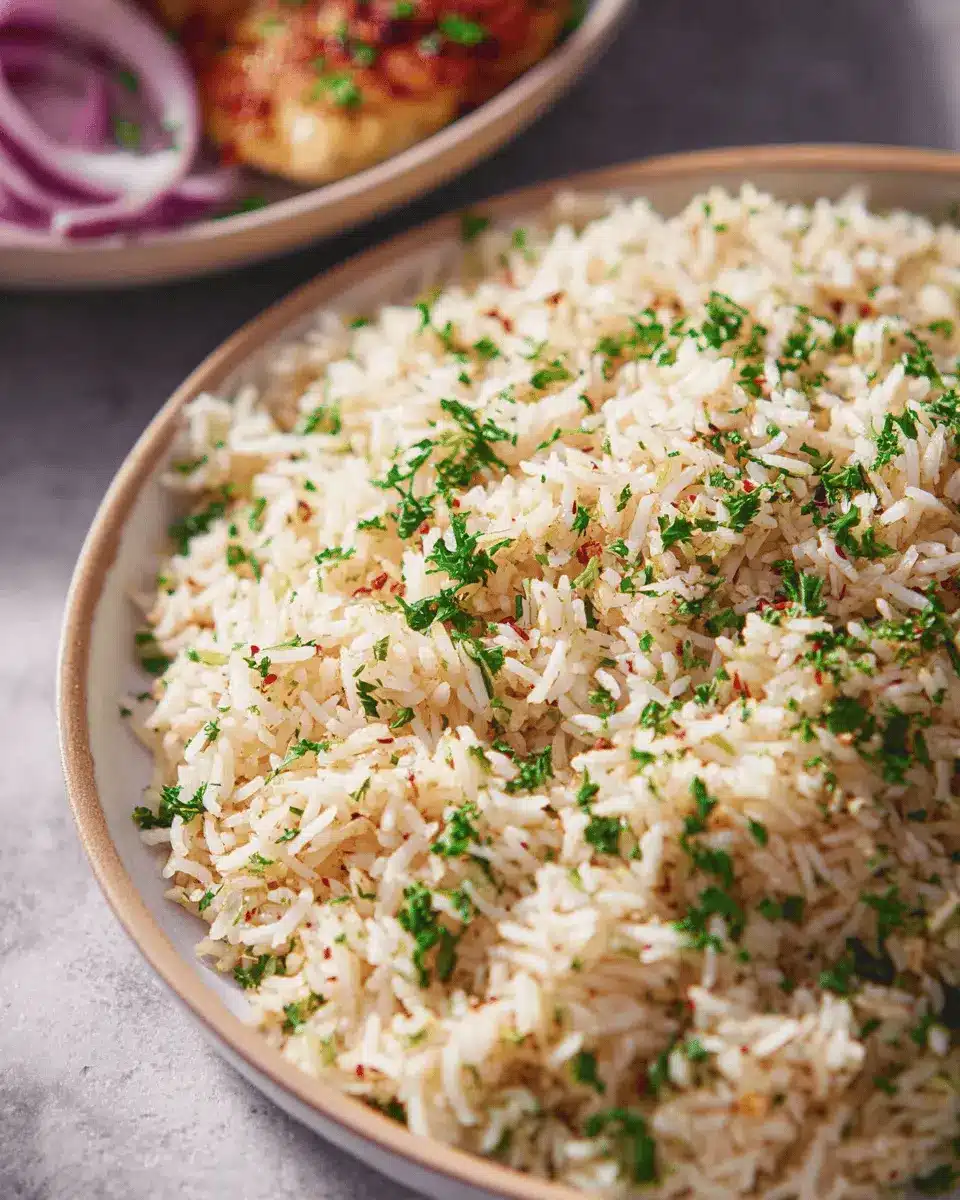
Variations on Rice Pilaf
Mediterranean-inspired rice pilaf
For a delightful twist on classic rice pilaf, consider infusing it with Mediterranean flavors. Start by sautéing onion and garlic in olive oil, just like in the base recipe, then add chopped bell peppers, olives, and artichoke hearts. A sprinkle of feta cheese and some fresh oregano can turn your pilaf into a vivid and colorful side dish that pairs perfectly with grilled chicken or fish. By incorporating lemon zest and juice, you can enhance the dish's brightness.
Spicy rice pilaf with a kick
If you crave a bit of heat, spicy rice pilaf is the way to go! Begin by adding diced jalapeños or crushed red pepper flakes while sautéing the onions. You can also mix in cumin and smoked paprika for a deeper flavor. Adding a splash of chicken broth with some lime juice at the end will give your pilaf a tasty kick that perfectly complements spicy chicken or bean dishes. This variation truly offers something for those who appreciate a bit of zest!
For additional inspiration, check out Serious Eats or Bon Appétit for various flavor profiles and ingredient pairings.
Cooking Tips and Notes for Rice Pilaf
Importance of not disturbing the rice
When making rice pilaf, it's crucial to keep the lid on during cooking. Lifting the lid releases steam, which can disrupt the cooking process and lead to unevenly cooked rice. Additionally, avoid stirring the rice once the broth is added; stirring activates the starches in the rice, making it gummy instead of fluffy.
Achieving fluffiness with resting time
After cooking, resist the urge to dive right in! Letting the rice rest for five minutes with the lid on allows it to steam gently. This crucial step transforms your rice pilaf into a delightful, fluffy side dish. For more tips, check out this guide on cooking rice for further insights!
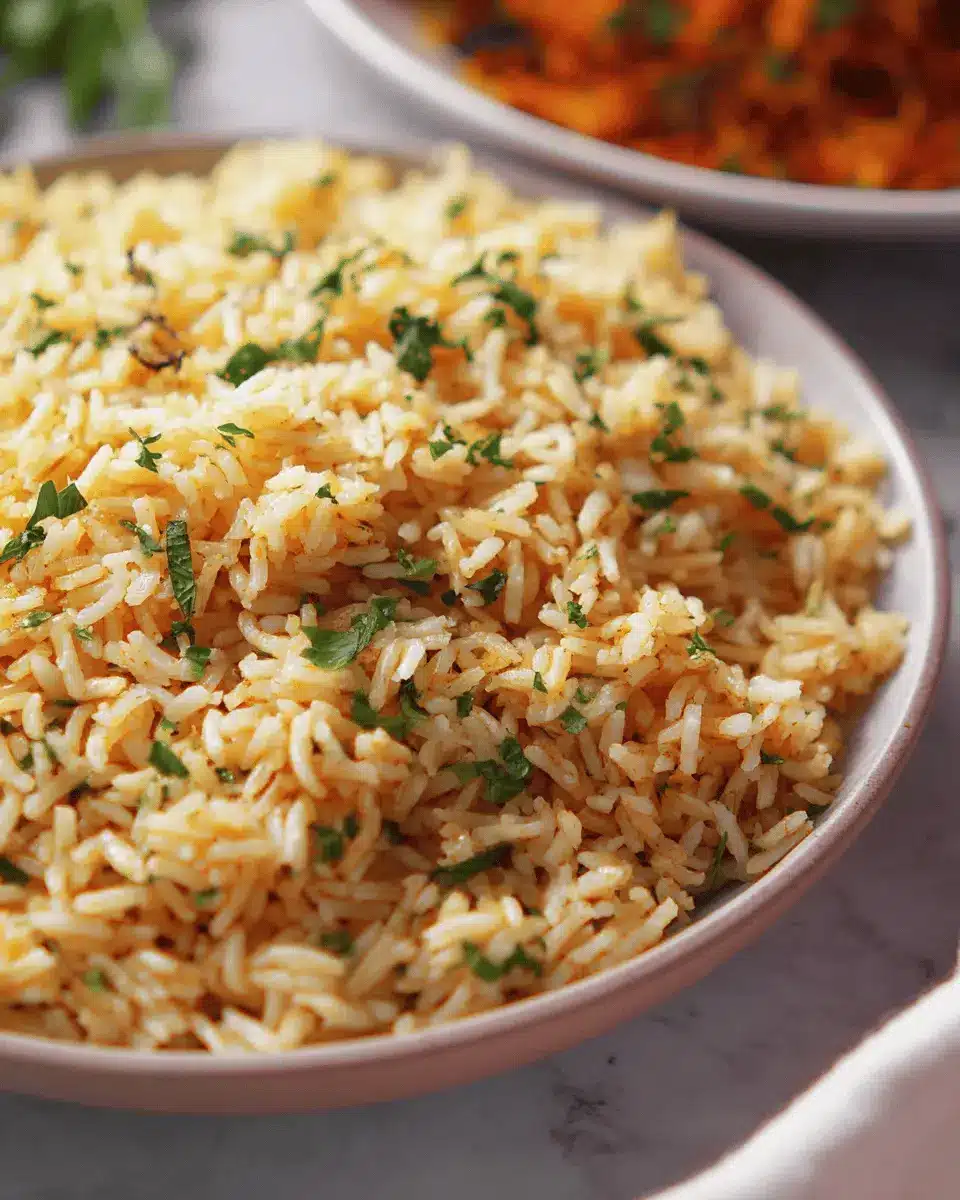
Serving Suggestions for Rice Pilaf
Pairing Rice Pilaf with Proteins
Rice pilaf is versatile and pairs beautifully with a range of proteins. For a satisfying meal, consider serving it alongside:
- Grilled Chicken: Marinated in lemon and herbs, its juicy freshness complements the fluffy rice.
- Turkey Bacon: Crispy turkey bacon adds a savory crunch, perfect for adding texture.
- Beef: A tender beef steak can elevate your dish, making it hearty and filling.
- Fish: A lightly seasoned fillet, such as salmon or tilapia, pairs wonderfully, highlighting the pilaf’s subtle flavors.
Creative Ways to Use Leftover Rice Pilaf
Leftover rice pilaf can be just as delicious the next day! Here are some creative ideas to utilize those extra servings:
- Rice Frittata: Combine with eggs, cheese, and veggies for a quick breakfast.
- Pilaf Salad: Toss with fresh greens, nuts, and a zesty vinaigrette for a refreshing salad.
- Stuffed Peppers: Mix with ground turkey or chicken and stuff into bell peppers before baking.
With these suggestions, your rice pilaf will always be a delightful addition to your meals! For more creative ideas and recipes, check out Food Network or Serious Eats.
Time Breakdown for Rice Pilaf
Preparation time
Making your rice pilaf starts with a quick prep time of just 10 minutes. This includes chopping your onions, mincing your garlic, and measuring out the rice and broth. It’s straightforward and allows for a seamless cooking experience.
Cooking time
The actual cooking of the rice takes around 25 minutes. You’ll sauté the aromatics, toast the rice slightly, and then let it simmer away in the broth. Trust me, the aroma will be worth the wait!
Total time
In total, you’re looking at about 40 minutes from start to finish. This makes rice pilaf a fantastic option for both busy weeknights and special dinners where you want to impress without too much hassle. Enjoy crafting this delightful side dish!
If you're looking for more ideas on pairing dishes with rice pilaf, check out this great resource for inspiration.
Nutritional Facts for Rice Pilaf
Calories
A serving of rice pilaf contains approximately 249 calories, making it a satisfying yet light side dish for your meals. When balanced with vegetables or protein, it can fit perfectly into a well-rounded diet.
Carbohydrates
With around 40 grams of carbohydrates per serving, rice pilaf is a great source of energy. This makes it ideal for fueling your day or serving as a hearty base for grilled chicken or roasted veggies.
Protein
Each serving of rice pilaf offers about 4 grams of protein. While not a complete protein source, it pairs nicely with other protein-rich foods like chicken or turkey bacon, helping to balance your meal. For extra protein, consider adding some legumes or nuts to your pilaf!
For additional nutritional insights, the USDA offers a comprehensive food database that can help you understand the benefits of various ingredients.
FAQs about Rice Pilaf
What can I substitute for rice in pilaf?
While classic rice pilaf is delicious, feel free to experiment! Quinoa or couscous make great alternatives, offering unique flavors and textures. For a low-carb option, try cauliflower rice. Each substitute brings its own essence, so you might find a new favorite!
How do I store and reheat leftover rice pilaf?
To keep your rice pilaf fresh, store it in an airtight container in the refrigerator for up to four days. When it's time to reheat, microwave it with a splash of broth or water to restore moisture. You can also reheat it on the stovetop, adding a bit more broth and stirring occasionally.
Can I prepare rice pilaf in advance?
Absolutely! You can make rice pilaf a day or two ahead—just let it cool completely before refrigerating. To enhance the flavors, consider adding additional herbs right before serving. This way, you have a quick and tasty side dish ready whenever you need it!
For more tips on cooking rice, check out The Rice Association and elevate your culinary skills.
Conclusion on Rice Pilaf
In conclusion, rice pilaf is a versatile and delightful side dish, perfect for any meal. With its aromatic flavors and fluffy texture, it’s sure to impress at your dining table. Experimenting with herbs and spices can make each batch uniquely your own. Enjoy this simple yet satisfying dish!
Rice Pilaf
Equipment
- large skillet
Ingredients
- 3 tablespoons olive oil
- 1 medium yellow onion, diced (225g)
- 4 cloves garlic, minced
- 1.5 cups long-grain white rice (270g)
- 3 cups chicken broth or vegetable broth (720mL)
- 1 teaspoon salt
- 0.5 teaspoon ground black pepper
- 3 tablespoons chopped parsley
Instructions
- Heat the oil in a large skillet over medium heat. Add the onion and garlic, and cook, stirring frequently, until the onion begins to soften, about 5 minutes. Add the rice and cook, stirring constantly, until the rice begins to turn lightly golden, about 4 minutes.
- Stir in the broth, salt, and pepper. Bring to a boil, then cover with the lid, and reduce the heat to a simmer. Cook for 15 minutes. Remove from the heat and let stand, covered, for 5 minutes.
- Remove the lid, and the parsley, and fluff the cooked rice with a fork, stirring in the parsley as you fluff. Serve immediately.


Leave a Reply